What does amphibian mean?
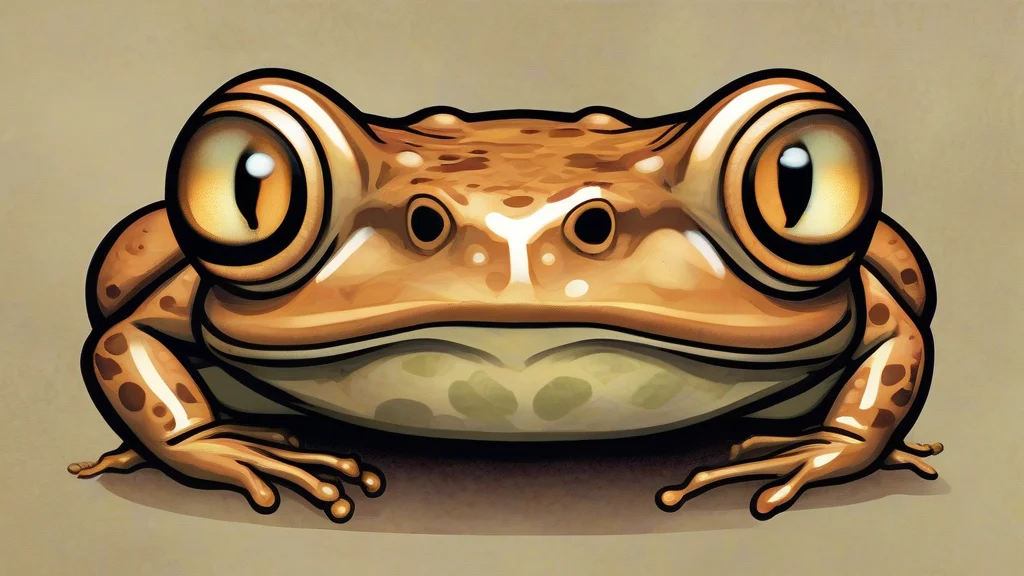
An amphibian is a cold-blooded vertebrate belonging to the class Amphibia, a group that includes frogs, toads, salamanders, newts, and the legless caecilians. Most amphibians lead what biologists call a double life: they hatch in water as gill-breathing larvae, such as tadpoles, and later transform into adults that breathe air through lungs and moist, permeable skin. This dependence on both aquatic and terrestrial habitats makes them sensitive indicators of environmental health, and many species are now threatened by habitat loss and disease. Beyond biology, the word has a well-established extended sense: an 'amphibian' can be a vehicle or aircraft built to operate on both land and water, a usage especially common in military contexts. Derived from Greek roots meaning 'living a double life', the term captures its subjects' defining trait with striking precision, making it both scientifically precise and etymologically apt.
A cold-blooded vertebrate of the class Amphibia, such as a frog, toad, salamander, or newt, which typically has an aquatic larval stage with gills and an adult stage with lungs.
"Biologists surveyed the wetland and recorded eleven distinct species of amphibian."
In strict biological usage, refers only to members of the class Amphibia; do not confuse with reptiles.
A vehicle, especially a military one, designed to operate on both land and water; by extension, sometimes applied to aircraft capable of operating from both land and sea.
"The landing craft was an amphibian, equally at home on the beach and in the surf."
This sense is common in military and engineering contexts and is often expressed adjectivally as 'amphibious'.
Regular plural; used when referring to multiple individuals of the class Amphibia or multiple such vehicles.
"Many amphibians, such as frogs and salamanders, return to water to breed."
The word 'amphibian' comes from Greek words meaning 'living a double life' — a perfect description of animals that start out breathing through gills like fish and end up breathing air on land.
Reviewed by Deb Chak, Editor. AI-assisted content curated by RJS Tech Solutions LLP.
Etymology of amphibian
The word 'amphibian' derives from the Greek 'amphibios', meaning 'leading a double life', formed from 'amphi' ('both' or 'on both sides') and 'bios' ('life'). The term entered English in the mid-17th century, initially applied broadly to creatures capable of living in two elements, before zoologists narrowed it to the class of animals now known as amphibians. It shares its Greek prefix 'amphi-' with words such as 'amphitheatre' and 'amphora', all conveying a sense of duality or enclosure on two sides.
Related word forms
How amphibian is actually used
In scientific contexts, 'amphibian' refers strictly to members of the class Amphibia. In everyday and military usage, the term extends metaphorically to any craft that operates in two environments, usually land and water; this extended sense is always used attributively or as a noun for the vehicle itself. The plural is regular: amphibians.
Easily confused with amphibian
Reptiles such as snakes and lizards have scaly skin and lay amniotic eggs on land, whereas amphibians have permeable skin and typically pass through an aquatic larval stage.
Amphibious is the adjective describing the ability to live or operate in both water and on land, while amphibian is the noun naming the animal itself (or such a vehicle).