
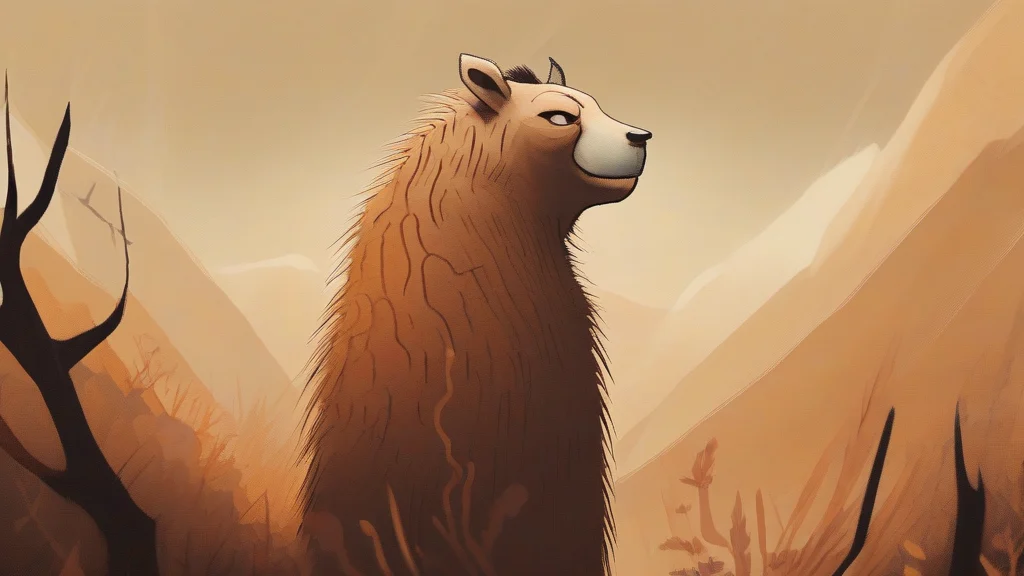
What does animalised mean?
Animalised is the British past-tense and participial form of animalise, and it is also used adjectivally. Its central figurative sense is to describe a person, group, or treatment as reduced to animal status, with human dignity, reason, or refinement removed. Writers use it for rhetoric, propaganda, dehumanising institutions, and portrayals in fiction. The word usually carries a strongly negative connotation because calling people animals strips away their humanity; nevertheless, its force can come from describing how a person has been made to feel powerless or disregarded. A more literal sense refers to transformation into an animal or the giving of animal-like qualities. In careful prose, animalised identifies the process or result of that reduction, while animalisation names the process itself. The word is especially associated with British spelling, although American writers generally use animalized. Its unusual force lies in the uncomfortable link it creates between language, social treatment, and the denial of human status.
Having been made animal-like, especially through the denial of human dignity or rationality.
"The film presents its antagonist as an animalised figure stripped of ordinary human feeling."
This participial use is often deliberately unsettling and is usually critical of rhetoric, institutions, or depictions that deny full humanity.
To make a person or thing seem like an animal, especially by denying human dignity or rationality.
"The propagandist animalised minorities by depicting them as threatening and subhuman."
Animalised captures the moment when language itself turns a person into something less than human.
Reviewed by Deb Chak, Editor. AI-assisted content curated by RJS Tech Solutions LLP.
Where does animalised come from?
Animalised was formed in English from animal and the suffix -ise, with -ed marking the past tense and participle. The base noun animal entered Middle English from Old French animal, ultimately from Latin animal, meaning “a living being,” a word related to Latin anima, “breath, life, or soul.” The same Latin root is reflected in English cognates such as animate and animation, although their senses developed along distinct paths.
Related word forms
How animalised is actually used
The word is commonly figurative and strongly pejorative when applied to people. It can sound literary, polemical, or deliberately dehumanising, while the literal sense is less frequent.
Easily confused with animalised
Animalised is the standard British spelling, while animalized is the corresponding American spelling.