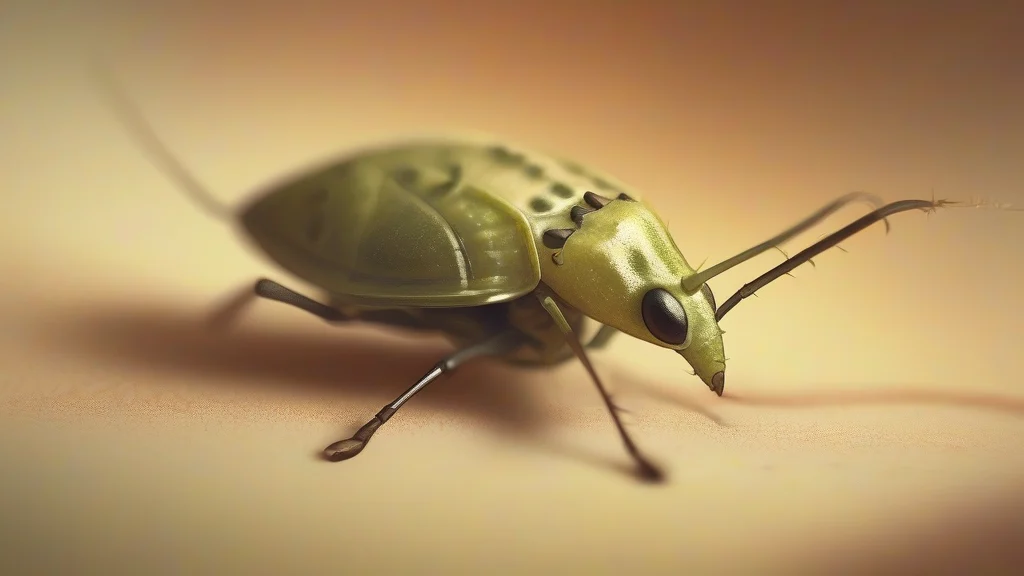
What does aphid mean?
An aphid is a small, soft-bodied insect belonging to the superfamily Aphidoidea, notorious for feeding on the sap of plants. Using specialised piercing mouthparts, aphids extract nutrient-rich fluid from stems, leaves, and buds, and their rapid reproduction makes them among the most destructive pests in gardens, greenhouses, and agriculture worldwide. Heavy infestations cause curled leaves, stunted growth, and the sticky residue known as honeydew, which encourages sooty mould and attracts ants that "farm" the insects for it. The word is standard in both scientific writing and everyday gardening talk, though British speakers often say "greenfly" or "blackfly" for familiar kinds. Because aphids transmit plant viruses and multiply astonishingly fast — many reproduce without mating — they are a constant subject of pest-control discussion, making "aphid" an essential word for anyone interested in plants, farming, or ecology.
nounAn aphid is a small, soft-bodied sap-sucking insect of the superfamily Aphidoidea, many species of which are serious pests of crops and garden plants.
- Any small, soft-bodied, sap-sucking insect of the superfamily Aphidoidea, typically feeding on the stems, leaves, or buds of plants.
"The rose bushes were covered in greenfly, and she reached for the insecticidal soap before the aphids could spread to the neighbouring beds."
"Ladybirds were released into the greenhouse to control the aphids infesting the pepper plants."
"Ants were seen tending the aphids on the fennel, harvesting the sugary honeydew they excrete."
The plural "aphids" is the standard form and is used freely in both scientific and everyday contexts, since aphids almost always occur in colonies.
"Aphids swarmed over the bean shoots within days of the warm weather arriving."
A single aphid can give birth to dozens of live young without ever mating, and under warm conditions those young are born already pregnant — which is why a few aphids can become thousands in a matter of weeks.
Reviewed by Deb Chak, Editor. AI-assisted content curated by RJS Tech Solutions LLP.
Etymology of aphid
The word "aphid" derives from the modern scientific Latin genus name Aphis, established by Linnaeus in the eighteenth century for these small plant-sucking insects. The ultimate origin of the Latin term itself is uncertain, though it has long been associated with Greek words for plant blights and similar small creatures. From this taxonomic root came the English common noun "aphid", now the standard everyday name for members of the group, alongside older folk terms such as "plant louse" and the British favourites "greenfly" and "blackfly".
How aphid is actually used
The word is standard scientific and horticultural vocabulary, neutral in register. In British gardening contexts the terms "greenfly" and "blackfly" are often used informally for particular kinds of aphids, while American usage tends to favour "aphid" or "plant lice" directly.
Easily confused with aphid
"Aphis" is the formal scientific genus name used in taxonomy, while "aphid" is the everyday common noun for any member of that group of insects.