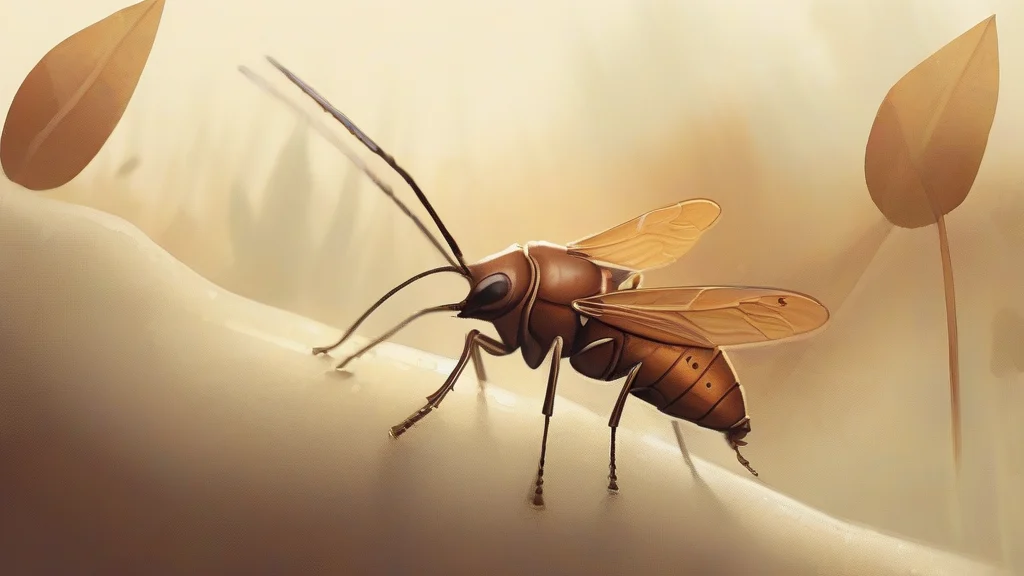
What does aphis mean?
An aphis is any small, soft-bodied insect that feeds by sucking the sap of plants, belonging to the group more familiarly known as aphids. These tiny insects — often green, black, or grey — cluster on the stems, shoots, and undersides of leaves, where they drain nutrients and can stunt growth, spread plant viruses, and excrete a sticky substance called honeydew. The word aphis serves as a technical or generic name for such insects, appearing most frequently in horticultural, agricultural, and entomological writing, while everyday speakers almost always say aphid instead. Its plural form, aphides, follows classical Greek patterns, though aphids is equally acceptable. Because aphids are among the most destructive pests of gardens and crops worldwide, the term matters to anyone interested in plant health. Knowing aphis adds precision to discussions of pest control and reflects the word's long history in scientific description.
nounA small sap-sucking insect of the family Aphididae; an aphid. Aphis is the technical or generic name, used especially in scientific and horticultural writing.
- Any small, soft-bodied, sap-sucking insect of the genus Aphis or, more broadly, the family Aphididae; an aphid.
"The gardener inspected the underside of each leaf, where a single aphis could colonize an entire rosebush within days."
"The greenhouse crop was threatened by an infestation of aphis on the young tomato plants."
"Under magnification, the entomologist identified the insect as an aphis feeding on the stem of the bean seedling."
The classical plural aphides (/əˈfaɪdiːz/) is traditional in scientific writing; aphids is also widely accepted.
"Aphides swarmed over the broad bean rows by midsummer."
One aphis can give birth to dozens of live young without ever mating — and those young are often already pregnant too.
Reviewed by Deb Chak, Editor. AI-assisted content curated by RJS Tech Solutions LLP.
Etymology of aphis
The word aphis entered English in the early seventeenth century, borrowed from New Latin, which had adopted it from the ancient Greek ἀφίς (aphis), meaning a small insect or gnat. The Greek origin explains the learned plural aphides, formed as if it were a classical noun. It is the root of related scientific terms such as aphid and Aphididae, the family name for these insects.
How aphis is actually used
Aphis is chiefly a technical and literary term; in ordinary speech, aphid is far more common. The plural is aphides (/əˈfaɪdiːz/), though aphids is also widely accepted. The word carries a neutral, slightly formal register and appears most often in gardening, agriculture, and entomological contexts.
Easily confused with aphis
Aphid is the common everyday term for the insect, while aphis is its more formal generic/scientific name (plural: aphides).
Aphasia is a medical condition involving loss of the ability to speak or understand language, whereas aphis is a small plant-feeding insect.