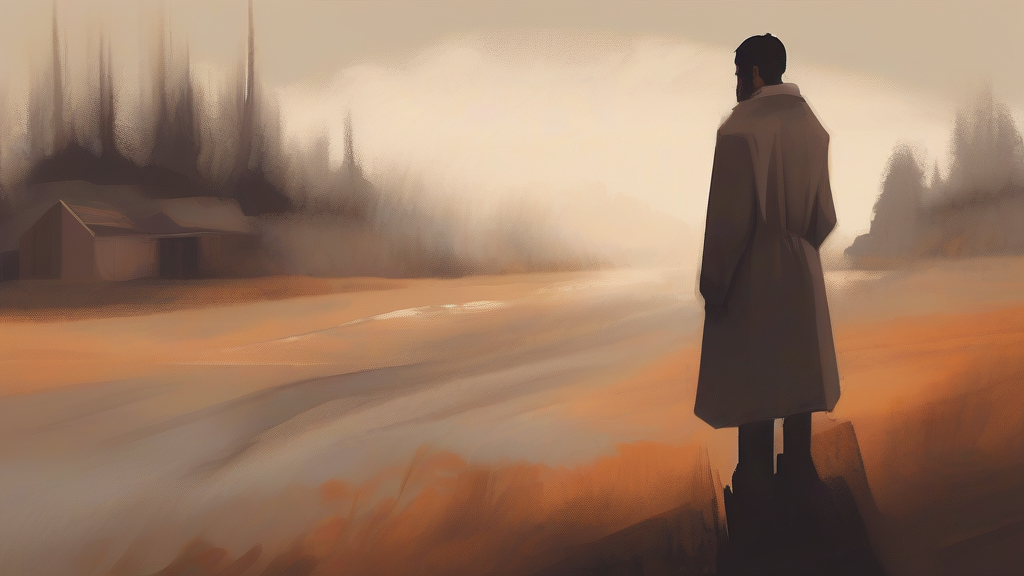
What does ashier mean?
"Ashier" is the comparative form of the adjective "ashy", meaning more like ash in appearance — either literally covered in or composed of ash, or figuratively a pale, dull grey. It appears most often in descriptive writing about landscapes after fires or volcanic eruptions, where skies, fields, and buildings take on an increasingly grey, powdery cast. It is also used for complexions: a person's face may grow ashier when they are frightened, exhausted, or unwell, echoing the older adjective "ashen". The word derives from "ash", the powdery residue left after burning, which traces back to Old English "asce". Because it is a regular comparative, it pairs naturally with "ashest" as its superlative. While somewhat informal and largely confined to vivid description, "ashier" offers writers a precise way to intensify greyness without repeating "greyer".
adjectiveComparative form of the adjective "ashy": more ashen or pale grey in colour, or more covered with, consisting of, or resembling ash.
- More pale grey in colour; more ashen.
- More covered with or resembling ash.
"After the wildfire, the sky looked even ashier than it had the day before."
"Her face grew ashier with every mile of the steep climb."
"The volcano left the surrounding fields even ashier than the last eruption had."
Reviewed by Deb Chak, Editor. AI-assisted content curated by RJS Tech Solutions LLP.
Etymology of ashier
"Ashier" is formed by adding the comparative suffix "-er" to "ashy", an adjectival derivative of the noun "ash". "Ash" comes from Old English "asce" (also spelled "axe"), from Proto-Germanic roots shared with German "Asche" and Dutch "as", ultimately from the Indo-European root relating to what remains after burning. The compound derivatives "ashen" and "ashy" developed in English to describe both ash-covered surfaces and pale, greyish complexions.
Related word forms
How ashier is actually used
"Ashier" is the comparative degree of "ashy" and is used mainly in descriptive or literary contexts. The superlative is "ashiest". It can describe both literal ash coverage (volcanic or fire-related) and figurative pallor of skin or dullness of colour.
Easily confused with ashier
"Ashamed" means feeling guilt or embarrassment, while "ashier" describes something that is paler or more ash-covered.