What does ataman mean?
An ataman is the elected chief or commander of a Cossack community or military unit, a title central to the history of the Cossack peoples of Ukraine and southern Russia. Unlike hereditary rulers, atamans were typically chosen by their comrades and could lose office if they failed to hold their support, reflecting the strongly democratic traditions of Cossack society. The word entered European languages through Russian and Ukrainian, ultimately deriving from a Turkic root related to the word for 'father'. Today 'ataman' survives mainly in historical writing about the steppe frontier, in accounts of Cossack uprisings and campaigns, and occasionally in modern revived Cossack organizations. It evokes images of horsemen on the open steppe and the rough-and-ready self-government that made the Cossacks famous throughout Europe.
nounThe elected chief or commander of a Cossack community, band, or military unit, especially in Ukraine and southern Russia.
- The elected leader or commander of a Cossack host, community, or military unit.
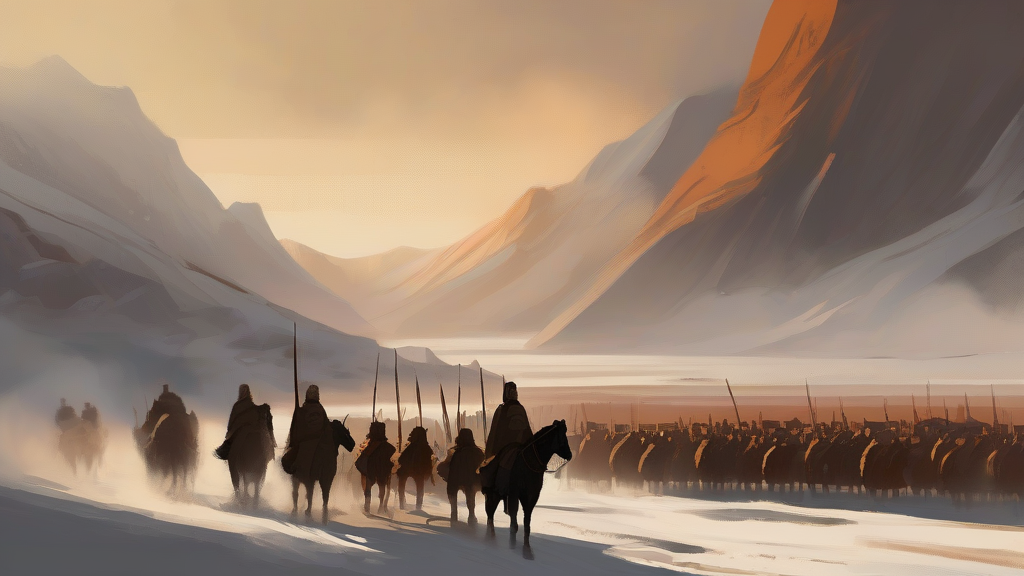
"The ataman rode at the head of his Cossack column across the steppe."
"The ataman called an assembly of the host to decide whether to march."
"Under their ataman, the Zaporozhian Cossacks became famed for raids along the Dnieper."
Regular English plural; the anglicized form 'atamans' is standard in English texts.
"Several atamans signed the treaty on behalf of their respective hosts."
An ataman wasn't born to power — he was elected by his fellow Cossacks and could be just as easily dismissed by them.
Reviewed by Deb Chak, Editor. AI-assisted content curated by RJS Tech Solutions LLP.
Etymology of ataman
The word 'ataman' comes to English through Russian and Ukrainian, where it denoted a Cossack chieftain. Its ultimate origin lies in a Turkic language, most likely Crimean Tatar, built on the element 'ata', meaning 'father', so the title originally carried a paternal, protective sense of leadership. The word has been used in Slavic languages since the early modern period, when Cossack communities flourished on the frontiers of Muscovy, Poland-Lithuania, and the Ottoman world.
How ataman is actually used
The word is a historical term associated chiefly with the Cossacks of Ukraine and Russia; it appears mostly in historical writing rather than everyday speech. It carries romantic connotations of frontier independence and martial democracy.
Easily confused with ataman
A hetman was a high-ranking military commander in Poland, Lithuania, and Ukraine, whereas an ataman specifically led Cossack communities or units.