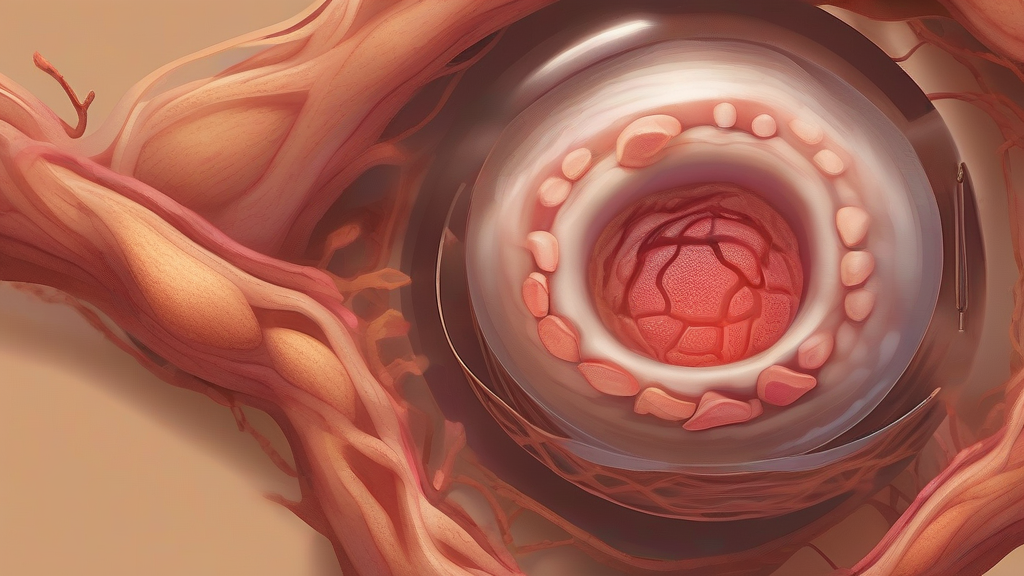
What does atheroscleroses mean?
Atheroscleroses is the plural form of atherosclerosis, one of the most consequential diseases in modern medicine. The term refers to conditions in which arteries become hardened and narrowed by plaques composed of cholesterol, fats, calcium, and cellular debris lodged within their walls. As these plaques accumulate across multiple vessels, blood flow diminishes, potentially leading to heart attacks, strokes, and peripheral arterial disease. The word derives from Greek roots: 'athera' meaning gruel or porridge, evoking the soft fatty material of plaques, and 'sklerosis' meaning hardening. Atheroscleroses belongs to formal medical language, appearing chiefly in pathology reports, research papers, and clinical documentation, where the plural may describe several affected arterial sites or multiple patient cases. In ordinary speech and much medical writing, the singular form dominates. Notably, the condition is far older than modern lifestyles — examinations of ancient mummies have uncovered arterial plaques in populations that predate processed food by millennia.
noun (plural)The plural of atherosclerosis: a disease in which plaque made of fat, cholesterol, and other substances builds up inside the arteries, hardening and narrowing them and restricting blood flow.
- The pathological condition (in its plural form) in which multiple arteries are affected by fatty plaque deposits that harden and narrow them.
"Autopsy studies of ancient mummies have revealed atheroscleroses in people who lived thousands of years before modern diets existed."
"The pathologist documented severe atheroscleroses affecting both coronary arteries."
"Even patients with early-stage atheroscleroses can significantly slow progression through diet, exercise, and statin therapy."
This is already the standard plural form of atherosclerosis; the singular is far more common in both clinical and general usage.
"Advanced atheroscleroses were found in multiple arterial beds during examination."
Mummies from ancient Egypt show clear signs of it — atherosclerosis is not just a modern disease of fast food.
Reviewed by Deb Chak, Editor. AI-assisted content curated by RJS Tech Solutions LLP.
Etymology of atheroscleroses
Atherosclerosis entered English in the early 20th century, coined in German medical literature as 'Atherosklerose' around 1904, combining the Greek 'athēra' (gruel or porridge), referring to the soft lipid core of arterial plaques, with 'sklērōsis' (hardening). It refined the older, broader term arteriosclerosis, which described arterial hardening generally. Related terms include atheroma, from the same Greek root for the fatty deposit itself, and sclerosis, seen in words like multiple sclerosis.
Related word forms
How atheroscleroses is actually used
Formal, medical register used almost exclusively in pathology reports and clinical literature. In everyday speech and most medical writing, the singular 'atherosclerosis' is strongly preferred; the plural appears mainly when describing multiple distinct lesions or cases.
Easily confused with atheroscleroses
Arteriosclerosis is the general hardening of artery walls from any cause, while atherosclerosis is the specific type caused by cholesterol-rich plaque buildup.
An atheroma is an individual fatty deposit or plaque within an artery, whereas atherosclerosis is the overall disease process characterized by such deposits.