
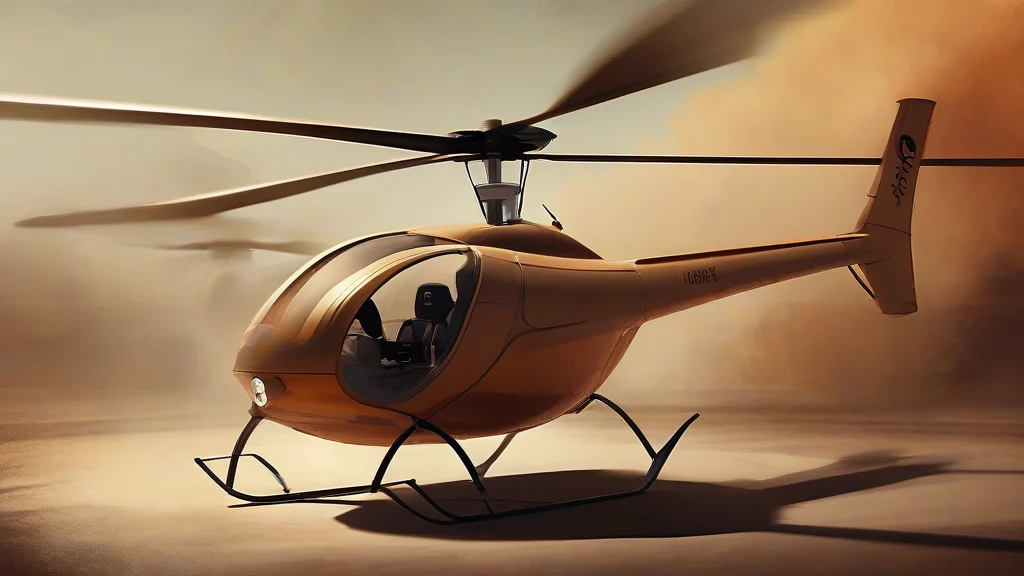
What does autogiro mean?
An autogiro is a type of rotorcraft that uses one or more horizontal rotors to provide lift and stability. In a typical autogiro, the rotors autorotate: as the aircraft moves through the air, aerodynamic forces keep them turning, rather than the engine driving them directly in the manner of a conventional helicopter. The design was developed by the Spanish engineer Juan de la Cierva during the 1920s and became especially prominent in the 1930s. Autogiro aircraft could remain stable after an engine failure and were comparatively easy to control, although their limited speed and other design characteristics prevented them from displacing conventional helicopters. Today, the term is mainly historical or technical. It is often encountered in museum collections, aviation exhibitions, and discussions of the development of helicopter flight. Although “autogiro” and “gyroplane” can overlap in meaning, autogiro is the more specific name associated with the horizontal-rotor configuration pioneered by de la Cierva.
nounA type of rotorcraft with one or more horizontal rotors that spin through aerodynamic autorotation rather than being driven directly by the engine. Autogiros were developed by Juan de la Cierva in the 1920s and became an important step toward the modern helicopter.
- A rotorcraft with horizontal autorotating rotors, developed as an early form of helicopter and now encountered mainly in aviation history.
"The pilot carefully landed the vintage autogiro on the grass airfield."
"The museum restored an autogiro for its exhibition on early aviation."
"Accounts of early autogiro flights remain an important part of the history of helicopter aviation."
The standard plural is autogiros.
"The collection preserves several restored autogiros."
The twist of an autogiro is that its rotors are designed to spin through the air rather than be driven directly by the engine.
Reviewed by Deb Chak, Editor. AI-assisted content curated by RJS Tech Solutions LLP.
Where does autogiro come from?
The name comes from Spanish, combining auto- meaning “self” with giro meaning “turn,” and was associated with Juan de la Cierva's development of horizontal-rotor aircraft. Spanish giro derives from Latin gyrus, which was borrowed from Greek gyros, meaning “circle” or “turn.” English words such as gyroscope, gyration, gyre, and gyro reflect this same Greek and Latin ancestry.
Related word forms
How autogiro is actually used
The word is chiefly historical and technical. Modern speakers usually encounter it in accounts of early aviation rather than in ordinary discussion, and historical references may capitalize it because the name was originally used as a trademark.
Easily confused with autogiro
A conventional helicopter has an engine-driven main rotor, whereas an autogiro uses horizontally mounted rotors that normally rotate by autorotation.
A gyroscope is a spinning instrument used to maintain orientation, while an autogiro is an aircraft that uses rotating horizontal rotors.