What does ballcock mean?
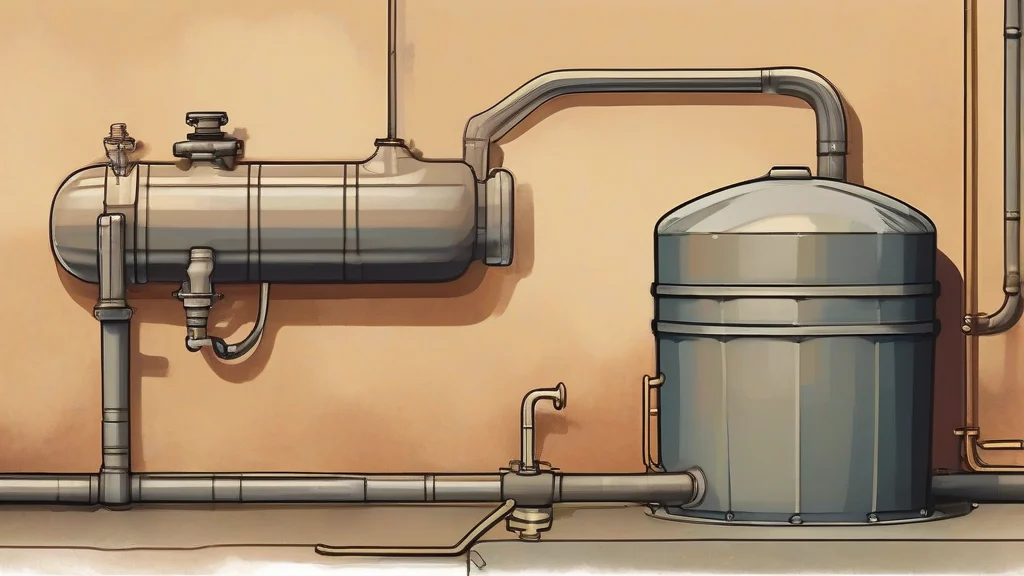
A ballcock is a mechanical device used to control the flow of water into a tank or cistern, most familiarly inside a flush toilet. It consists of a hollow, buoyant ball mounted on the end of a lever arm connected to a valve. As the water level rises, the ball floats upward and the lever gradually closes the valve, shutting off the supply once the desired level is reached; when water is drawn off, the ball sinks and reopens the valve. This simple, self-regulating mechanism requires no electricity and has been a staple of domestic plumbing since the nineteenth century. The term combines "ball," referring to the float, with "cock," an older English word for a tap or valve. While standard in British usage, American speakers more often say "fill valve." Adjusting or replacing a ballcock remains one of the most common household plumbing repairs.
nounA floating ball attached to a lever that controls the valve regulating water flow into a cistern or tank, automatically shutting off the supply when the water reaches a set level.
- A float-operated valve, consisting of a hollow ball on a lever arm, that controls the inflow of water into a cistern or tank, closing automatically when the water level rises.
"The plumber replaced the worn ballcock so the toilet tank would stop overflowing."
"Water kept trickling into the cistern because the ballcock had jammed open."
"He bent the arm of the ballcock downward to lower the water level in the tank."
Standard plural formation; the plural typically appears when discussing multiple tanks or fittings, e.g. in plumbing supplies contexts.
"The hardware store stocked replacement ballcocks in several sizes."
The humble ballcock — the floating gadget inside your toilet tank that quietly stops it flooding — has one of the funniest names in plumbing, and plumbers have been snickering at it for nearly two centuries.
Reviewed by Deb Chak, Editor. AI-assisted content curated by RJS Tech Solutions LLP.
Etymology of ballcock
The word "ballcock" is formed from two native English elements: "ball," denoting the floating sphere, and "cock," which since the Middle Ages has meant a tap or valve (as in "stopcock"). The compound arose in nineteenth-century Britain as float-controlled valves became standard fittings in water cisterns. It belongs to a small family of plumbing compounds built on "cock," alongside "stopcock" and "petcock." The term spread through plumbing trade vocabulary across the English-speaking world, remaining especially current in British English.
How ballcock is actually used
Chiefly used in plumbing and DIY contexts. The term is more established in British English; in American English the equivalent device is often called simply a "fill valve" or "float valve," though "ballcock" is still understood. The word occasionally provokes juvenile amusement due to its second element.
Easily confused with ballcock
A stopcock is a manually operated valve for turning off water flow, whereas a ballcock is an automatic, float-operated valve that regulates filling of a tank or cistern.