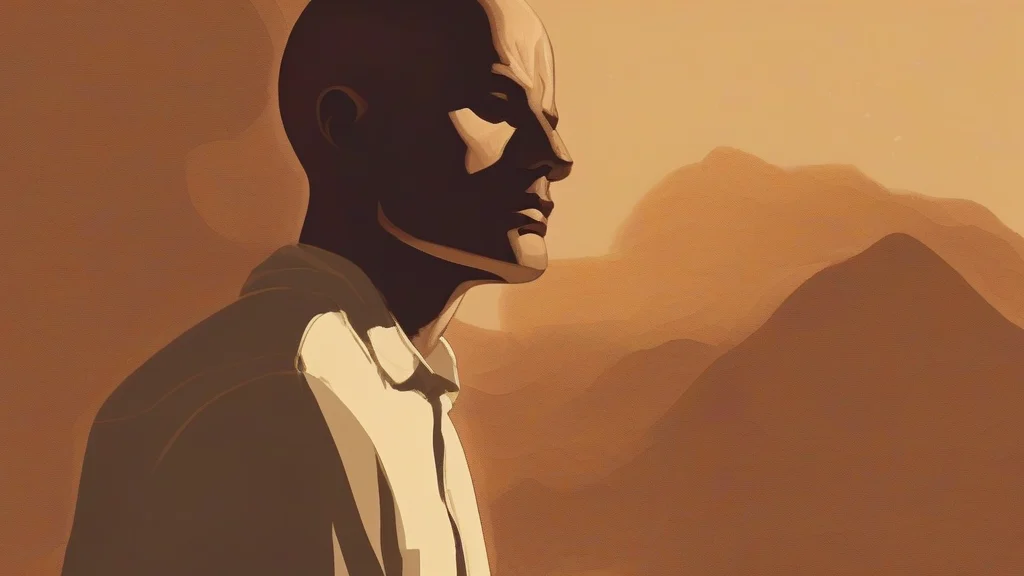
What does bareheaded mean?
Bareheaded is an adjective describing someone whose head is uncovered — that is, who is wearing no hat, cap, hood, or other head covering. The word combines 'bare', meaning exposed or without addition, with the past participle 'headed', so it literally means 'with a bare (uncovered) head'. It appears most often in descriptive and literary writing: a soldier standing bareheaded at a funeral, a child running bareheaded through summer rain, a rider bareheaded on an open road. Historically, the word carried real social weight, since hats were a near-universal part of dress for centuries, and to be seen bareheaded in public could signal informality, disrespect, poverty, or defiance depending on the setting. Today, when hats are optional rather than expected, bareheaded is less loaded but still useful for evoking a deliberate, vivid image of exposure — to weather, wind, sun, or ceremony. Its close relatives include barefoot, bareback, and barelegged, all built on the same pattern of an unprotected body part.
adjectiveNot wearing a hat or other covering on the head; having the head uncovered.
- Having no hat or covering on the head; the head left uncovered.
"She walked bareheaded through the falling snow, her hair damp with flakes."
"The soldiers stood bareheaded in silence as the coffin passed."
"He rode bareheaded through the summer fields, the wind in his hair."
For centuries, going bareheaded outdoors was considered improper — a gentleman caught without his hat was practically undressed.
Reviewed by Deb Chak, Editor. AI-assisted content curated by RJS Tech Solutions LLP.
Etymology of bareheaded
Bareheaded is formed within English from the adjective 'bare' — from Old English 'bær', meaning naked or uncovered — combined with 'headed', the past participle of 'head'. It follows the same productive English pattern seen in barefoot, bareback, and barelegged. The compound arose in Middle or early Modern English as hats became a standard element of dress, making the absence of one worth naming. It has no classical cognates; its kin are the parallel 'bare-' compounds native to English.
Related word forms
How bareheaded is actually used
Mostly literary or descriptive in modern usage; common in historical fiction and formal narrative prose. In older etiquette, appearing bareheaded indoors or in certain formal settings carried specific social meaning.
Easily confused with bareheaded
Baldheaded means lacking hair on the scalp, whereas bareheaded means not wearing a hat or head covering, regardless of hair.