What does barograph mean?
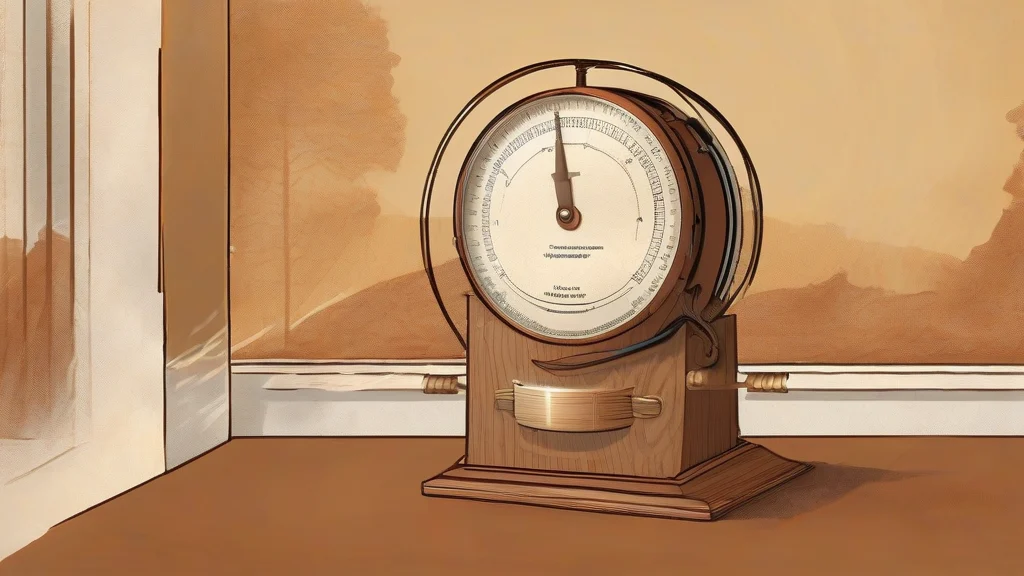
A barograph is a recording barometer: an instrument that tracks changes in atmospheric pressure continuously rather than displaying only the current reading. Most designs use an aneroid capsule — a partially evacuated metal box that expands or contracts as air pressure shifts — linked mechanically to a pen that draws a line on graph paper wrapped around a slowly rotating clockwork drum. The resulting chart, called a barogram or barograph trace, gives forecasters a visual history of pressure over hours or days, making it easy to spot the steep falls that signal approaching storms. Once standard equipment in weather stations, ships, and lighthouses, barographs also served glider pilots, whose altitude claims had to be verified by a sealed barograph record. Though largely superseded by digital sensors today, the word retains its association with meticulous observation of the weather.
nounA barograph is an aneroid barometer that automatically records atmospheric pressure over time, typically by tracing a continuous line on a rotating paper-covered drum.
- An instrument that continuously records variations in atmospheric pressure, usually by means of a pen attached to an aneroid capsule drawing a line on a rotating drum.
"The meteorologist examined the barograph's trace to reconstruct how the storm pressure had fallen overnight."
"The lighthouse keeper wound the barograph each morning so its drum would turn steadily through the week."
"A sharp dip in the barograph record signalled the passage of a frontal system long before the rain arrived."
Regular plural; standard in both British and American usage.
"Weather stations across the coast reported similar readings from their barographs."
Before satellites and sensors, weather stations relied on a smoking, whirring drum of paper — the barograph — whose ink line could betray an approaching hurricane hours before the sky darkened.
Reviewed by Deb Chak, Editor. AI-assisted content curated by RJS Tech Solutions LLP.
Etymology of barograph
Barograph derives from the Greek roots "baros," meaning weight or pressure, and "graphein," meaning to write — the same combining elements behind related terms such as barometer (from "baros" plus "metron," measure). The word arose in the nineteenth century as instrument-makers developed self-recording scientific devices, a family that also produced namesakes like thermograph and hygrograph. Its cognates thus include both other "-graph" recording instruments and other "baro-" pressure-measuring terms.
How barograph is actually used
A technical term used mainly in meteorology, aviation, and maritime contexts; in everyday speech people are far more likely to say "barometer." The instrument was historically standard in weather stations and gliding, where barograph traces were once required evidence for altitude records.
Easily confused with barograph
A barometer merely indicates current atmospheric pressure, whereas a barograph continuously records pressure changes over time on a paper chart.