What does barracouta mean?
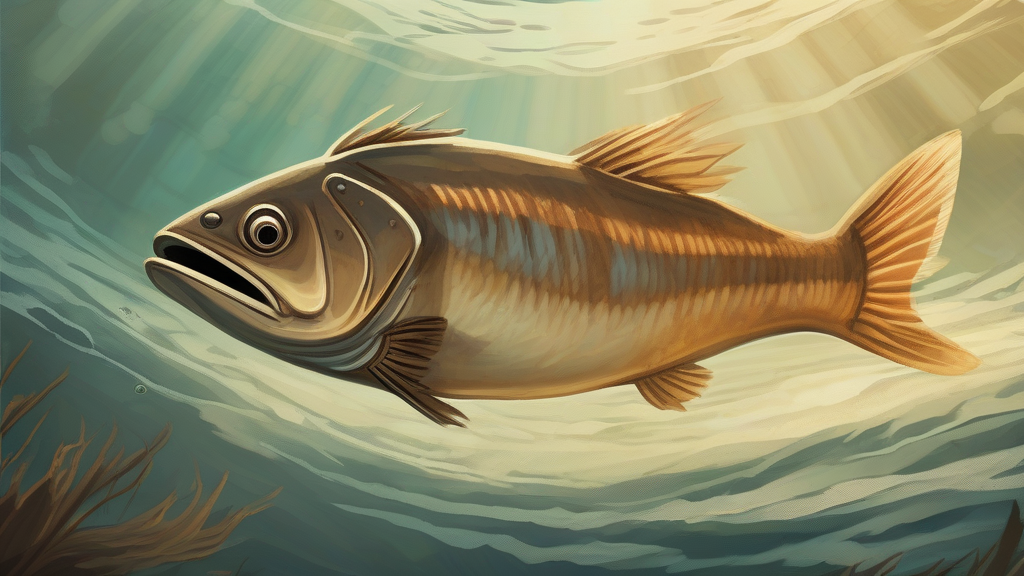
The barracouta is a long, slender marine fish (Thyrsites atun) belonging to the snake mackerel family, found in the cool temperate waters of the Southern Hemisphere, particularly around New Zealand, southern Australia, and South Africa. A swift predator that travels in schools, it is an important commercial species, taken by trawl and line fisheries and sold fresh, frozen, or smoked. The name is chiefly used in those southern countries; elsewhere the fish is little known, though it is sometimes referred to as the snake mackerel. In Australian slang it is affectionately shortened to 'couta'. Although its name invites comparison with the barracuda of warmer seas, the two are quite different fish, and the resemblance between the words appears to be linguistic rather than biological. For cooks, barracouta offers firm white flesh well suited to smoking, baking, or frying.
nounA large, elongated marine food fish (Thyrsites atun) of the snake mackerel family, found in the cold southern waters of Australia, New Zealand, and South Africa; also called the snake mackerel.
- The fish Thyrsites atun, a slender oceanic food fish of southern waters, valued commercially especially in New Zealand, Australia, and South Africa.
"The trawler returned to port laden with barracouta caught off the Otago coast."
"Fishermen along the Kaikōura coast have long relied on seasonal runs of barracouta."
"She pan-fried fresh barracouta fillets with lemon and herbs for dinner."
The plural 'barracoutas' is standard when referring to multiple individual fish; in commercial contexts the uncountable form 'barracouta' is also common for the fish as food.
"Several barracoutas were hauled aboard before the weather turned."
Despite its fearsome name, the barracouta is a prized table fish of the cold southern oceans — and it isn't even a true barracuda.
Reviewed by Deb Chak, Editor. AI-assisted content curated by RJS Tech Solutions LLP.
Etymology of barracouta
The word barracouta entered English in the early nineteenth century through colonial usage in the Southern Hemisphere, where the fish was first described by European settlers and naturalists. Its ultimate origin is uncertain, but it is generally thought to be related to or influenced by 'barracuda', a name of probable Caribbean origin applied to a superficially similar predatory fish. The term became established in Australian, New Zealand, and South African English as the common name for this commercially valuable species.
How barracouta is actually used
The word is used mainly in Australia, New Zealand, and South Africa, where the fish is commercially important; elsewhere it is rare and may be unfamiliar. It is sometimes called 'couta' colloquially in Australian English.
Easily confused with barracouta
A barracuda is a large predatory fish of tropical seas, whereas the barracouta is a smaller southern-hemisphere food fish of the snake mackerel family; the two names are similar but refer to unrelated fish.