What does batiste mean?
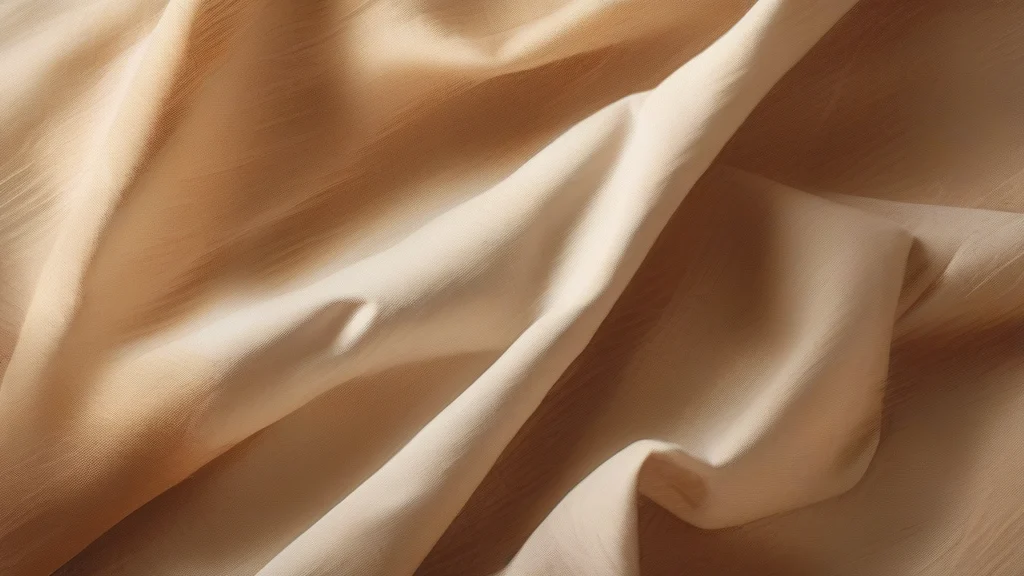
Batiste is a fine, lightweight cotton fabric woven in a plain weave to produce a smooth, slightly sheer cloth with a soft lustre. It is prized for garments worn next to the skin — blouses, summer dresses, baby clothes, and handkerchiefs — as well as for linings that must add no bulk to a finished piece. Lighter and more delicate than cambric but sturdier than chiffon, batiste occupies a valued niche among sheer fabrics, and it takes dye and embroidery beautifully, making it a favourite for heirloom sewing and christening gowns. The word entered English from French, where the cloth is traditionally said to be named after Jean Baptiste, a thirteenth-century weaver credited with perfecting it. In modern usage, batiste appears mainly in sewing patterns, fabric shops, and fashion writing, where it signals quality and finesse. For anyone working with textiles, knowing the term is essential shorthand for one of the most refined cottons available.
nounA fine, lightweight cotton fabric with a smooth, lustrous surface, used especially for shirts, dresses, linings, and handkerchiefs.
- A fine, sheer, lightweight cotton fabric of plain weave, used for garments, linings, and handkerchiefs.
"She chose a crisp white cotton batiste for the summer blouse because it drapes so beautifully."
"The heirloom christening gown was sewn from whisper-thin cotton batiste and edged with lace."
"Tailors often line jackets with batiste because it adds almost no bulk to the garment."
Rarely pluralized; the mass-noun use dominates, though 'batistes' may appear in trade contexts referring to varieties or lengths of the cloth.
"The shop stocked several batistes, ranging from sheer white to finely embroidered."
This delicate fabric is literally named after a man — a 13th-century French weaver called Jean Baptiste, whose cloth became so famous it took his name forever.
Reviewed by Deb Chak, Editor. AI-assisted content curated by RJS Tech Solutions LLP.
Etymology of batiste
The word batiste comes from French, where the fabric is traditionally said to take its name from Jean Baptiste, a thirteenth-century French weaver reputed to have created the cloth. It was borrowed into English in the nineteenth century, during the period when fine French textiles dominated European fashion. The personal name Baptiste derives ultimately from Greek baptistes, meaning 'one who baptizes', which also gives English 'baptist' and related words — though only through this shared name-root are the two connected.
How batiste is actually used
Batiste is a specialist textile term, encountered mainly in sewing, fashion design, and historical costume contexts rather than everyday speech. It carries connotations of delicacy, refinement, and lightness. The word functions as both a count noun (a batiste) and, more commonly, a mass noun (a length of batiste).
Easily confused with batiste
Cambric is a closely similar fine plain-weave linen or cotton fabric, but batiste is specifically the soft, sheer cotton version named after its legendary French inventor.
A baptist is a person who administers the Christian rite of baptism; despite sharing an etymological root, it has nothing to do with the fabric.