What does cambric mean?
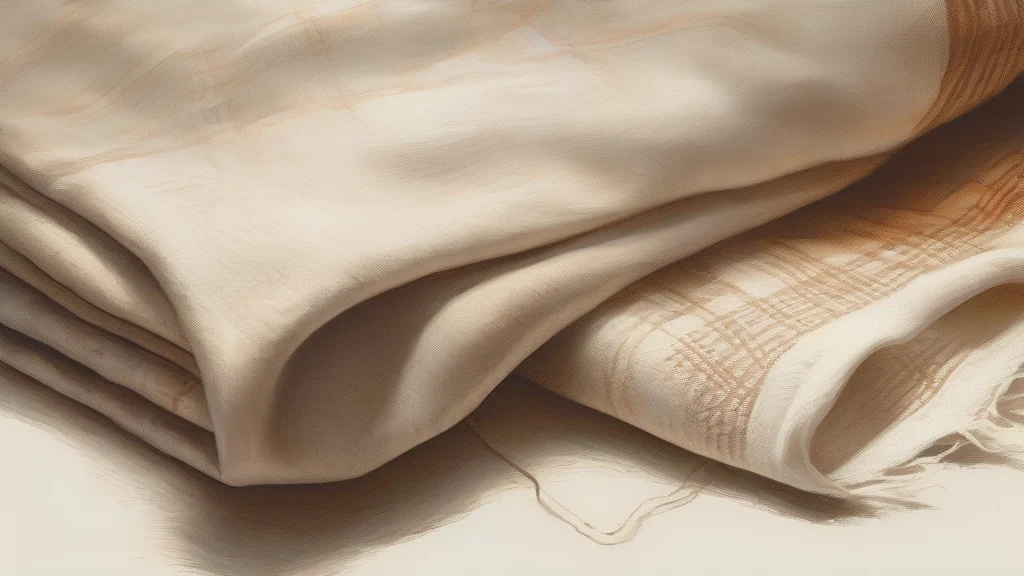
Cambric is a noun denoting a fine, closely woven, plain-weave cloth, historically made of linen and later also of cotton. Originating in the northern French city of Cambrai, it became prized across Europe for its smoothness and fineness, and was traditionally used for handkerchiefs, collars, cuffs, shirts, baby clothes, and linings — anything requiring a crisp yet delicate fabric. Today the term appears chiefly in sewing, fashion history, and antiques circles, describing both genuine old cambric and modern lightweight cotton equivalents. The word carries connotations of elegance, purity, and craftsmanship, often evoking heirloom garments such as christening gowns or Victorian underclothing. It should be distinguished from chambray, a related fabric that shares the same city of origin but features a colored warp thread and a denim-like appearance. For anyone interested in textiles, cambric remains a useful shorthand for the very finest class of plain-woven white cloth.
nounA fine, closely woven white linen or cotton cloth, originally made at Cambrai in France and traditionally used for handkerchiefs, shirts, and delicate garments.
- A fine, plain-woven, closely textured white cloth of linen or cotton, used for handkerchiefs, linings, shirts, and other delicate items.
- (Less common) A lightweight cotton fabric of this type produced industrially today, sometimes finished to a slight gloss.
"She pressed the collar of her cambric shirt until it stood crisp and white."
"The antique shop sold lace-trimmed cambric handkerchiefs from the Victorian era."
"He chose soft cambric for the baby's christening gown because of its smooth, fine weave."
Rarely used in the plural; 'cambrics' occasionally appears when referring collectively to different types or stocks of the fabric.
"The draper stocked a range of cambrics imported from France."
Cambric takes its name not from a person but from an entire city — it was first woven in Cambrai, France, so finely that its fame spread across Europe.
Reviewed by Deb Chak, Editor. AI-assisted content curated by RJS Tech Solutions LLP.
Etymology of cambric
Cambric derives its name from Cambrai (historically called Kamerijk in Flemish), the town in northern France where the cloth was first manufactured. The name entered English in the early 17th century, likely via Dutch or French trade routes, as the fabric's reputation spread through European markets. Its most notable relative in English is chambray, another fabric name drawn from the same place-name, reflecting how closely the two cloths were linked at their source.
How cambric is actually used
Cambric is a specialist textile term, encountered mainly in sewing, fashion history, antiques, and costume contexts rather than everyday speech. It carries connotations of delicacy, fineness, and old-fashioned refinement.
Easily confused with cambric
Chambray is a lightweight cotton fabric with a colored warp and white weft that shares cambric's origin in Cambrai, whereas cambric is a fine, plain-woven white cloth.