What does belched mean?
"Belched" is the past tense of the verb "belch," which has two main uses in English. In its primary, literal sense, it describes the noisy expulsion of gas from the stomach through the mouth — an act widely considered impolite in most social settings, giving the word a coarse or comic register when applied to people. Its second sense extends the image to inanimate sources: a chimney, factory, engine, or volcano may be said to have belched smoke, flames, or fumes, conveying a forceful, billowing outpouring. This figurative use is well established and appears frequently in journalism and literature describing pollution, industry, and eruptions. The word traces back to Old English and has been part of the language for over a thousand years. Vivid and onomatopoeic in feel, "belched" remains useful precisely because few verbs capture such an emphatic release of air or vapor.
verbPast tense and past participle of "belch": to expel gas loudly from the stomach through the mouth, or (of a chimney, volcano, or other source) to emit smoke, flames, or fumes in large quantities.
- (of a person) to expel gas noisily from the stomach through the mouth
- (of a chimney, engine, volcano, etc.) to send out smoke, flames, or fumes forcefully
"The old furnace belched black smoke into the winter sky."
"After the feast, he belched loudly and apologized to no one."
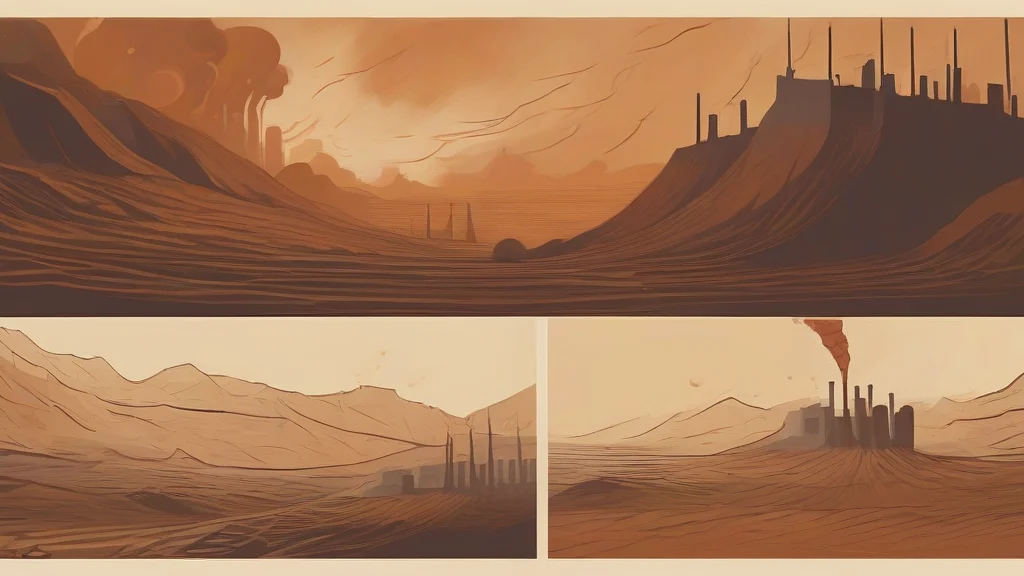
"The factory chimneys belched thick smoke over the town for decades."
Volcanoes don't just erupt in English prose — they belch, a verb so vivid it's been describing both stomachs and smokestacks since before modern English took shape.
Reviewed by Deb Chak, Editor. AI-assisted content curated by RJS Tech Solutions LLP.
Etymology of belched
"Belch" derives from Old English "bealcan" (or a closely related variant), meaning to swell or heave up, making it a genuinely ancient native Germanic word rather than a borrowing. It has been used for the expulsion of gas from the body since early medieval times, with the figurative application to chimneys and other sources developing later in English usage. The verb belongs to the West Germanic stock of English vocabulary, though its exact cognates in other Germanic languages are uncertain.
Related word forms
How belched is actually used
"Belched" carries a distinctly unrefined connotation when applied to people — it suggests a loud, unrestrained release rather than a polite one, so it rarely appears in formal descriptions of human behavior. When applied to machines, chimneys, or volcanoes, however, it is standard and vividly descriptive, emphasizing forceful, continuous emission.