What does bemoaning mean?
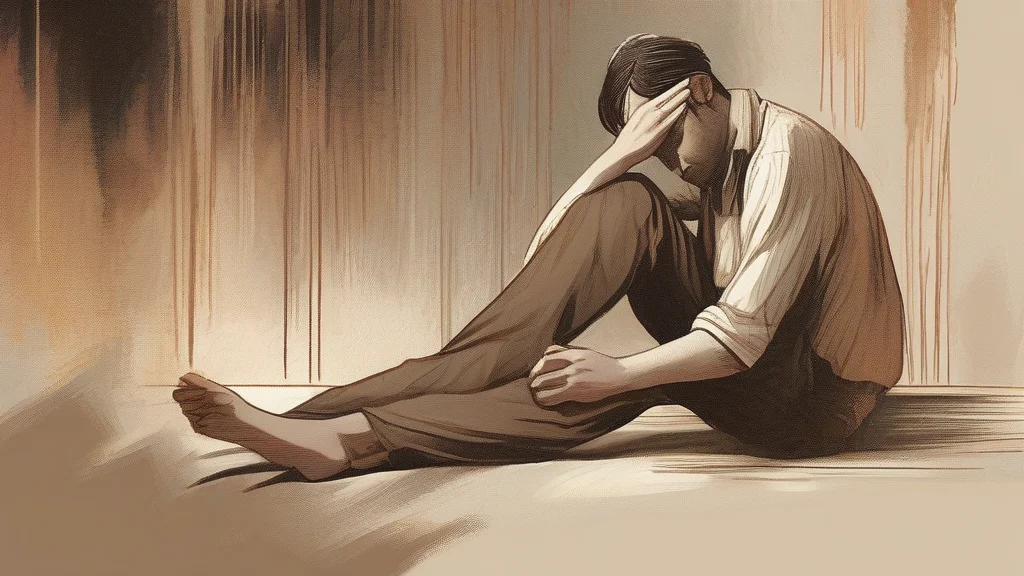
Bemoaning is the act of lamenting — expressing grief, regret, or dissatisfaction about something, usually openly and sometimes at length. It functions as a noun derived from the verb "bemoan," and it typically appears in constructions such as "his constant bemoaning of the weather" or "much bemoaning of lost traditions." The word carries a mildly formal, literary register, and it often implies more than simple grumbling: a bemoaning tends to be heartfelt, even if listeners find it wearisome. Indeed, the term frequently connotes complaint that others consider excessive or self-indulgent, giving it a subtly critical edge when used about someone's behavior. Its roots reach back to Old English "bemænan," formed on a Germanic base meaning to express sorrow or intention — making it a distant relative of "moan" and "mean." Whether describing mourning for the dead or grumbling about modern inconveniences, bemoaning names that very human habit of giving voice to what we wish were otherwise.
The action of bemoaning; the expression of grief, regret, or dissatisfaction about something.
"Their endless bemoaning of the management's decisions achieved nothing."
Often used with a possessive or adjective before it ("her constant bemoaning").
Present participle and gerund of "bemoan": to express sorrow or discontent over something.
"Critics have been bemoaning the decline of independent bookshops for decades."
Rarely pluralized; the uncountable singular form covers nearly all uses. A plural appears only when counting distinct instances of lament.
"The diary records his many bemoanings about the harsh northern winters."
"Bemoaning" and "mean" are family — both trace back to an Old English root about voicing what troubles you.
Reviewed by Deb Chak, Editor. AI-assisted content curated by RJS Tech Solutions LLP.
Etymology of bemoaning
Bemoaning derives from the Old English verb "bemænan," formed from the prefix "be-" plus "mænan," meaning to express sorrow or to intend. The same base gave rise to "moan" (originally a shortened form of "mone") and is ultimately connected to the verb "mean." The word has been part of English since the medieval period, retaining its core sense of vocalized grief or complaint throughout its history.
Related word forms
How bemoaning is actually used
Slightly formal or literary in tone; often carries a faint suggestion that the complaining is excessive or self-pitying. Commonly followed by a noun phrase or gerund clause ("bemoaning the loss", "bemoaning how things have changed").
Easily confused with bemoaning
"Beaming" means smiling radiantly or shining brightly, whereas "bemoaning" means lamenting or complaining about something.