What does biggin mean?
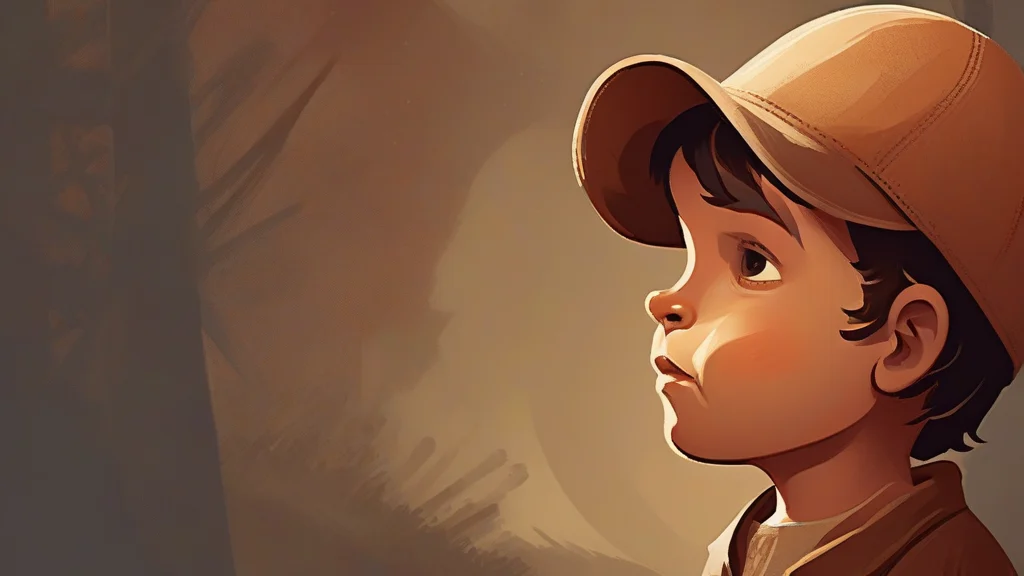
A biggin is a close-fitting cap, historically worn most often by infants and young children, though the term was also applied to the nightcaps of adults. Common from the medieval period through the eighteenth century, the biggin was typically made of soft linen or wool and sometimes featured decorative frills or embroidery, appearing frequently in portraits of well-dressed children. Today the word has largely fallen out of ordinary use, surviving chiefly in historical and costume contexts, in regional dialect, and in older literature, where readers may encounter it in descriptions of domestic life. Its spelling invites confusion with the verb "begin," but the two words are unrelated in meaning. For anyone reading early modern letters, wills, or household inventories, "biggin" is a useful reminder that everyday clothing vocabulary changes quickly even when the garments themselves persist in altered forms.
nounA close-fitting cap for a child's head; also, a nightcap worn by adults. The word survives mainly in historical and dialectal contexts.
- A close-fitting cap worn by infants or young children.
- A nightcap worn by adults.
"The portrait shows an infant in a lace-trimmed biggin, the fashion of the seventeenth century."
"The museum's collection includes a linen biggin embroidered with the baby's initials."
"He pulled on his woollen biggin before settling by the fire."
Regular plural; occasionally spelled "biggins" without change in older sources.
"The chest held several biggins, each stitched with a different family monogram."
Before babies wore bonnets, they wore biggins — and the word shares roots with the Beguines, medieval religious women whose name gave French its word for a little cap.
Reviewed by Deb Chak, Editor. AI-assisted content curated by RJS Tech Solutions LLP.
Etymology of biggin
The word comes from Middle English "biggin", borrowed from Old French "béguin", meaning a child's cap or head-covering. The French term itself is traditionally linked to the Beguines, members of lay religious communities of the Low Countries, whose distinctive headdress may have given its name to the style of cap. Related forms appear in Scots and Northern English dialects. It should not be confused with "bigging", a separate Scots word meaning a building or farmstead.
How biggin is actually used
Largely obsolete in everyday modern English; encountered mainly in historical writing, costume studies, genealogy, and Scots or Northern English dialect texts.
Easily confused with biggin
"Begin" is the common verb meaning to start, while "biggin" is a noun for a child's cap or nightcap; they differ only slightly in spelling and pronunciation.