What does blastoderm mean?
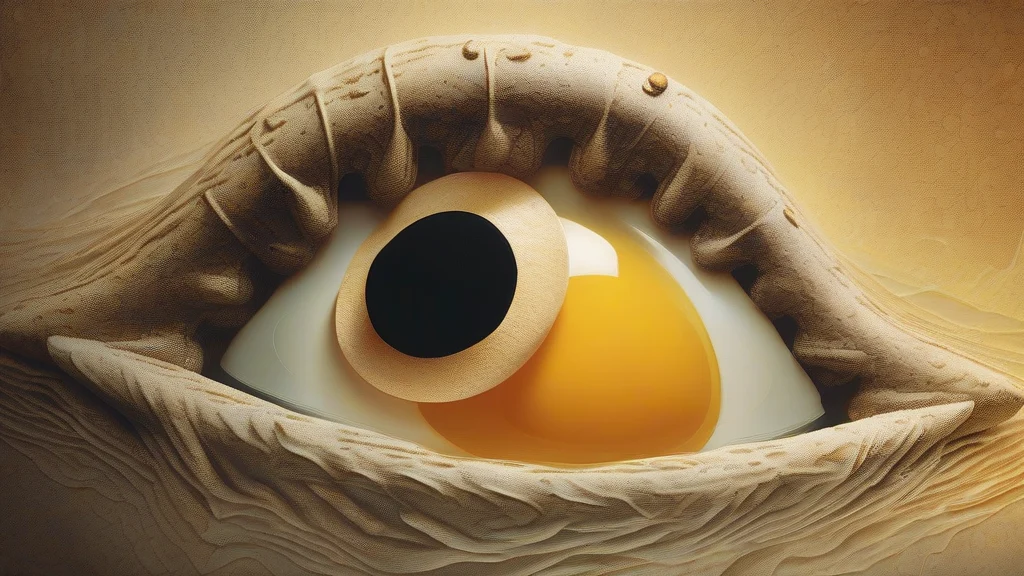
The blastoderm is the thin layer of cells that forms on the surface of the yolk in the eggs of birds, reptiles, and fishes, and it is here that the earliest stages of embryonic development unfold. In a hen's egg, it is visible to the naked eye as a small pale spot — sometimes called the germinal disc — sitting atop the yolk. After fertilization, cells within the blastoderm divide and reorganize, eventually giving rise to the entire embryo while surrounding structures nourish it. The word is also used more broadly in biology for the outer cell layer of certain early embryos. Strictly scientific in register, the term belongs almost entirely to embryology, developmental biology, and veterinary medicine rather than everyday speech. It derives from Greek roots meaning sprout or bud and skin, reflecting its role as the formative skin of the young organism.
nounThe layer of cells that forms on the surface of the yolk of a bird, reptile, or fish egg and gives rise to the embryo; more broadly, in many animals, the outer cellular layer of the early embryo from which development proceeds.
- In embryology: the disc-shaped layer of cells lying on the surface of the yolk in eggs of birds, reptiles, and fishes, which develops into the embryo.
- More generally: the outer cellular layer of an early embryo from which the body tissues arise.
"In the hen's egg, the blastoderm appears as a small pale disc resting on top of the yolk."
"Under the microscope, the blastoderm could be seen dividing rapidly as gastrulation began."
"Fertilization triggers cleavage within the blastoderm, setting the stage for the formation of the chick."
The plural is regular and used mainly in comparative or multi-species scientific discussion.
"The researchers compared blastoderms across several species of fish."
That little white spot on a raw egg yolk isn't an imperfection — it's the blastoderm, the very spot where the chick would begin to form.
Reviewed by Deb Chak, Editor. AI-assisted content curated by RJS Tech Solutions LLP.
Etymology of blastoderm
The word blastoderm was coined in the nineteenth century from two Greek roots: blastos, meaning a sprout, bud, or germ, and derma, meaning skin. It thus literally describes the 'germinative skin' of the developing embryo. The same roots underlie related biological terms such as blastula, blastocyst, epidermis, and dermatology, all of which draw on either blastos or derma.
Related word forms
How blastoderm is actually used
A technical term confined chiefly to embryology, developmental biology, and veterinary or zoological literature; it is rarely used outside scientific contexts.
Easily confused with blastoderm
The blastula is a hollow ball of cells formed after cleavage in many animals, whereas the blastoderm is specifically the flattened cell layer on the yolk surface in bird, reptile, and fish embryos.