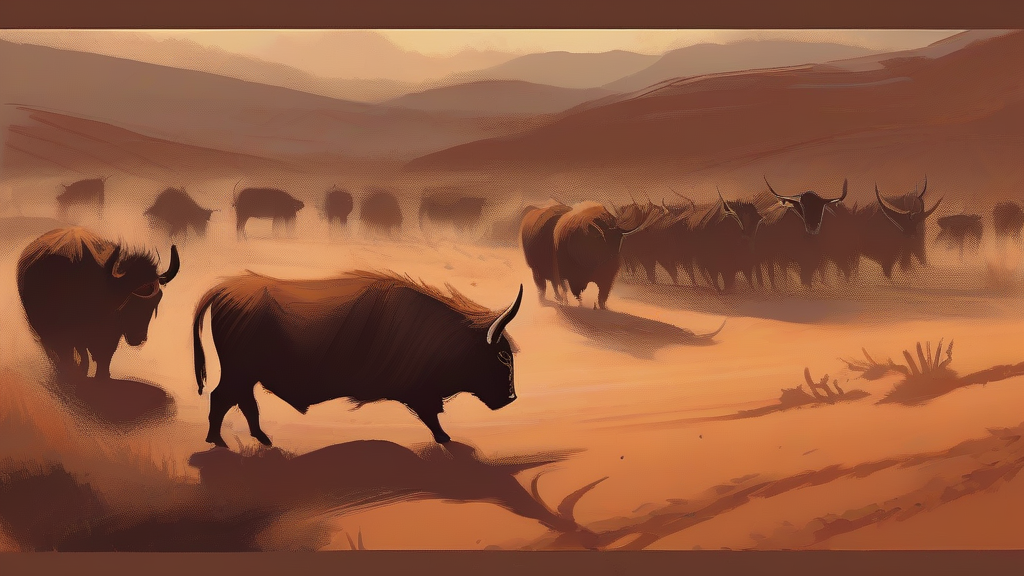
What does boma mean?
A boma is a fortified enclosure found across East Africa, traditionally built from thornbush branches and used to protect livestock and homesteads from predators such as lions and hyenas. The word, borrowed from Swahili, has long been woven into the region's pastoral cultures: Maasai and other herding peoples still construct bomas each day, and the term appears throughout East African literature and travel writing. During the colonial era, 'boma' took on a second meaning, denoting a fortified administrative or military outpost, so that many East African towns grew up around old bomas. In contemporary usage the word has expanded beyond its traditional setting — conservationists speak of building predator-proof bomas to reduce human–wildlife conflict, and safari lodges use the term for animal enclosures. Distinctively regional yet increasingly familiar to English readers worldwide, 'boma' evokes both the practical ingenuity of East African herders and the layered history of the region itself.
In East Africa, a fortified enclosure or stockade, typically made of thornbush, used to protect livestock or a homestead from predators or raiders.
"Each evening the family secured the goats within the boma."
Chiefly associated with Kenya and Tanzania; common in anthropological and safari literature.
A fortified administrative or military post established under colonial rule in East Africa.
"The district commissioner resided at the boma overlooking the valley."
By extension, any animal enclosure or pen, including modern predator-proof structures used in wildlife conservation.
"Conservationists built a predator-proof boma to shelter the herd at night."
Pluralized only occasionally, typically when referring to multiple enclosures or outposts.
"Several bomas dotted the hillside, each ringed by thorn fencing."
The word 'boma' traveled from East African thorn fences into English — and today it's the name of wildlife sanctuaries and even a famous restaurant at Disney's Animal Kingdom Lodge.
Reviewed by Deb Chak, Editor. AI-assisted content curated by RJS Tech Solutions LLP.
Etymology of boma
'Boma' entered English from Swahili, where it denotes a fortified enclosure or stockade, particularly one built of thornbush to protect livestock. Its deeper roots lie in Bantu languages of East and Central Africa; related forms appear in other regional languages, and the word spread widely during the nineteenth-century caravan trade and colonial period. English adopted it through East African exploration, administration, and military usage, and it remains firmly tied to that part of the world.
Related word forms
How boma is actually used
The word is closely associated with East Africa (Kenya, Tanzania) and carries strong local color; it is common in writing about pastoralist life, safari tourism, and conservation, where 'predator-proof boma' is now a standard conservation term. Pluralization is rare but 'bomas' occurs.
Easily confused with boma
A kraal is the southern African equivalent of an animal village or pen among Bantu-speaking peoples, while a boma is specifically an East African thornbush enclosure for livestock or a fortified camp.