What does bottomry mean?
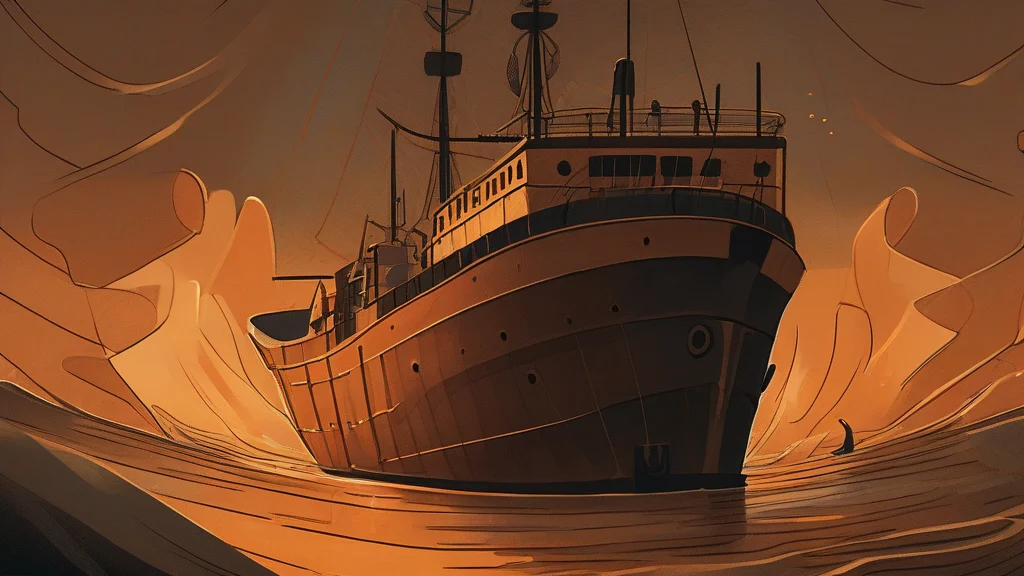
Bottomry is a noun denoting a form of maritime finance in which a shipowner borrows money for a voyage, using the vessel's hull — traditionally called its 'bottom' — as security. The defining feature of the arrangement is that repayment is contingent: if the ship is lost at sea, the lender forfeits both principal and interest, so the lender effectively underwrites the risk of the voyage. In exchange, bottomry lenders charged unusually high rates, sometimes reaching thirty percent or more on long or dangerous routes. The practice flourished in the age of sail, when formal marine insurance was limited, and it survives today mainly in maritime law, insurance history, and classical references such as the ancient Greek sea loans of Athens. Because the word is tied to a specialised and largely historical financial instrument, it carries a formal, technical connotation and is rarely heard outside legal or scholarly contexts. Understanding bottomry offers a window into how pre-modern traders managed risk, spreading the hazards of ocean commerce between investors and shipowners centuries before the rise of the modern insurance industry.
nounA contract of maritime finance in which a ship's owner borrows money for a voyage, pledging the ship's hull (its 'bottom') as security; the lender receives principal and agreed interest only if the vessel safely completes the voyage.
- A maritime loan contract secured against the ship itself (the hull, or 'bottom'), repayable with premium interest only if the voyage succeeds.
- The practice or system of financing ships by such loans.
"The shipowner secured the cargo through bottomry, repaying the lender at double interest once the vessel reached port safely."
"Before modern marine insurance, merchants often raised funds by bottomry, accepting steep premiums because the lender bore the full risk of shipwreck."
"The admiralty records show that the voyage was financed partly by a bottomry bond drawn on the vessel herself."
The plural is rare, appearing mostly in legal or historical discussions of multiple such contracts.
"The archives record several bottomries taken out by the port's merchants during the war years."
In the age of sail, lenders who financed a voyage on 'bottomry' terms could lose everything if the ship sank — making them some of history's boldest insurers before insurance even existed.
Reviewed by Deb Chak, Editor. AI-assisted content curated by RJS Tech Solutions LLP.
Etymology of bottomry
Bottomry derives from 'bottom', an old nautical term for the ship's hull, combined with the suffix '-ry'. The term entered English in the early seventeenth century, reflecting practices of marine lending already established in Mediterranean trade since antiquity. It is related to other compounds built on 'bottom' such as 'bottomless' and 'bottommost', though those share only the root word rather than the legal sense.
Related word forms
How bottomry is actually used
Bottomry belongs to legal and commercial register; it appears chiefly in maritime law, historical texts, and insurance literature rather than everyday speech. It is now largely historical, having been superseded by modern marine insurance.
Easily confused with bottomry
Respondentia is a similar maritime loan secured against the cargo rather than against the ship's hull, which secures a bottomry loan.