What does brewage mean?
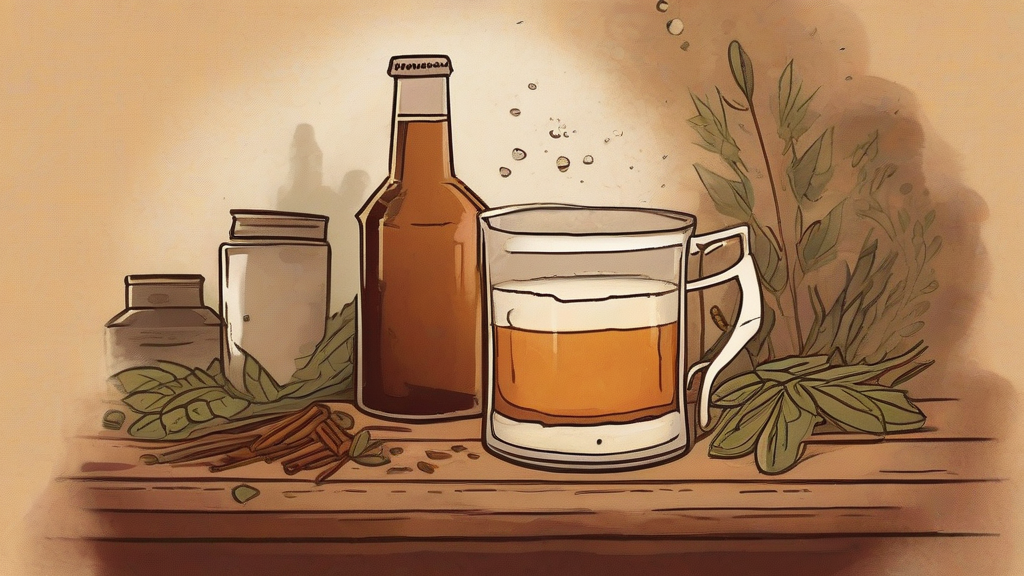
Brewage is a noun meaning a liquid that has been brewed, most commonly an alcoholic drink such as beer or ale, though it can extend by playful extension to any infused beverage, including tea. Formed from the verb 'brew' plus the suffix '-age', it belongs to a small family of English words that attach this ending directly to verbs or nouns to denote a product or result. In contemporary usage brewage is rare and distinctly literary, evoking taverns, monasteries, and rustic kitchens more than modern pubs or cafes. Writers reach for it when they want an antique or whimsical tone, particularly to describe a mysterious or homemade concoction whose exact contents are left vague. Because it is so uncommon, brewage functions almost as a stylistic choice rather than everyday vocabulary: readers understand it instantly through its root 'brew', but its rarity lends any sentence a faintly archaic charm. For learners, it is best recognized rather than actively used, though knowing it enriches reading of older texts and historical fiction.
nounA liquid, especially an alcoholic beverage such as beer or ale, that has been produced by brewing.
- An alcoholic drink made by brewing, such as beer or ale.
- Any beverage prepared by steeping or boiling ingredients, used somewhat humorously or archaically for tea or other infusions.
"The tavern keeper proudly served a dark brewage of his own devising."
"The monks of the abbey were famed for their honeyed brewage, sampled eagerly by travelers."
"He offered his guests a strange herbal brewage that smelled more like medicine than refreshment."
The plural is rare and appears mainly when contrasting different kinds of brewed drinks.
"The festival showcased brewages from dozens of small regional breweries."
Brewage is essentially just 'brew' wearing a fancy -age suffix — the same trick that turned 'post' into 'postage' and 'mile' into 'mileage'.
Reviewed by Deb Chak, Editor. AI-assisted content curated by RJS Tech Solutions LLP.
Etymology of brewage
Brewage derives from the Middle English verb 'breuen' (to brew), which traces back to Old English 'brēowan', ultimately from Proto-Germanic *brēwaną, a word connected with fermentation and warm liquid. The suffix '-age', borrowed from French, was appended in the same way that English formed 'mileage' and 'postage', turning the action of brewing into the thing brewed. The word has cognates across the Germanic languages, including German 'brauen' and Dutch 'brouwen', all descendants of the same ancient root for preparing fermented drink.
How brewage is actually used
Brewage is rare and somewhat archaic in modern English; it survives chiefly in literary, historical, or deliberately quaint contexts. Speakers today would normally say 'brew' or simply name the drink itself (beer, ale, tea). The word carries a slightly old-fashioned, rustic flavor and is often used playfully when describing an odd homemade concoction.
Easily confused with brewage
Broth is a savory soup made by simmering meat or vegetables in water, whereas brewage refers to a liquid made by brewing, typically beer or another fermented drink.