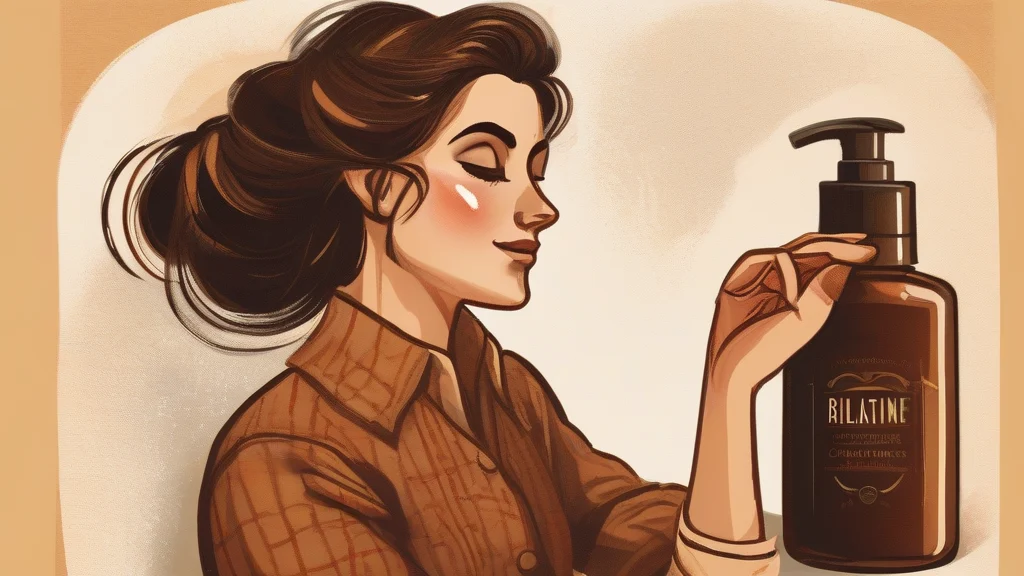
What does brilliantine mean?
Brilliantine is a noun with two principal meanings, both rooted in shine. Most familiarly, it names an oily, often perfumed preparation applied to the hair to make it sleek and glossy; hugely popular from the late nineteenth century through the mid-twentieth, it was the standard product for the slicked-down men's hairstyles of the Edwardian era, the 1920s, and beyond, before modern gels and pomades largely displaced it. The word's second sense is textile-related: brilliantine is a light-weight, lustrous fabric, typically of wool or cotton, with a glossy finish suitable for dresses and linings. Both senses derive from French brillant, meaning shining or sparkling, which also gives English 'brilliant.' Today the word carries a distinctly vintage flavor, appearing most often in historical fiction, costume description, or accounts of old-fashioned barbershops, where it evokes a bygone world of pomaded hair and polished surfaces.
An oily or greasy preparation used to make the hair smooth and shiny.
"He smoothed his unruly curls with a little brilliantine before the interview."
Chiefly historical or nostalgic in contemporary use.
A lightweight fabric of wool or cotton with a lustrous, glossy surface.
"The gown shimmered, cut from fine black brilliantine."
The plural is rare; the word is usually treated as uncountable when referring to the substance.
"Victorian apothecaries stocked dozens of scented brilliantines."
Before gel and hairspray, generations of men kept their hair lacquered in place with brilliantine — a scented oil so iconic it practically defines the 1920s slicked-back look.
Reviewed by Deb Chak, Editor. AI-assisted content curated by RJS Tech Solutions LLP.
Etymology of brilliantine
Brilliantine comes from French brillant, meaning 'shining' or 'sparkling,' itself from the Italian brillare, 'to sparkle,' ultimately of imitative origin. The hair-dressing sense arose in the mid-nineteenth century as a trade name for a new glossy hair tonic, and the fabric sense followed shortly after, both emphasizing sheen. The same root yields English 'brilliant' and 'brilliance,' making these close relatives rather than coincidences.
How brilliantine is actually used
Both senses are now somewhat dated; the hair-dressing sense is strongly associated with the late Victorian era through mid-20th century men's grooming, and survives mostly in historical or nostalgic contexts. The plural 'brilliantines' is rare.
Easily confused with brilliantine
'Brilliant' is an adjective meaning extremely bright or clever, whereas 'brilliantine' is a noun naming a hair dressing (or a glossy fabric).