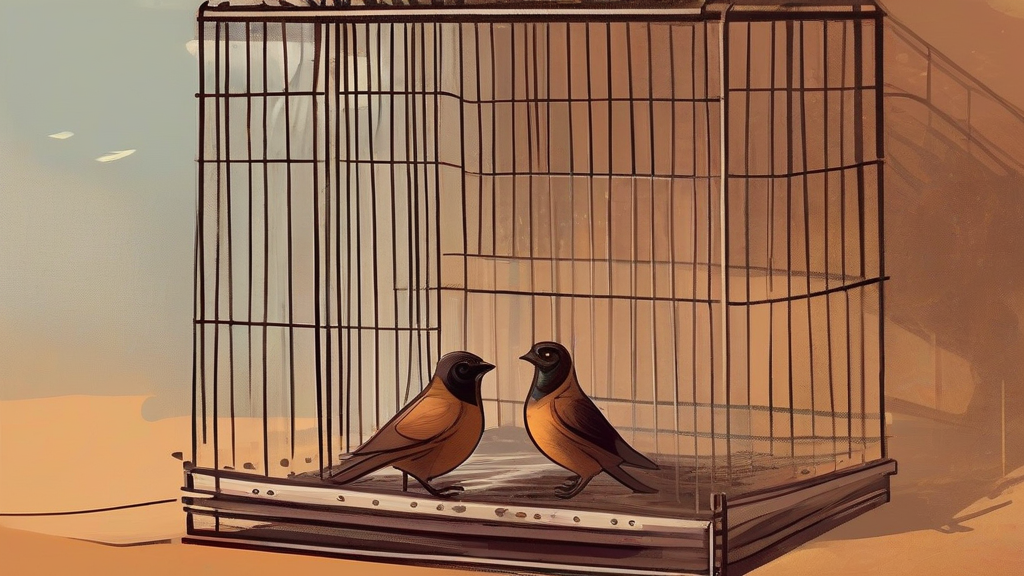
What does brooder mean?
A brooder is, in its primary sense, a heated enclosure used to raise newly hatched chicks or other young birds, providing the warmth that a mother hen would otherwise supply. The word is standard vocabulary among poultry keepers, hatcheries, and farmers, often appearing in phrases such as 'chick brooder' or 'electric brooder.' In a secondary, more figurative sense, a brooder is a person who habitually broods — someone who dwells silently and often gloomily on their worries, grievances, or dark thoughts. This human application is informal and somewhat literary, evoking a pensive, melancholy temperament rather than any formal diagnosis. Both senses derive from the verb 'to brood,' which itself originally referred to a bird sitting on eggs. The contrast between the two meanings is striking: one sense conjures warmth, new life, and nurture, while the other suggests inwardness and shadow. That duality makes 'brooder' a compact, memorable example of how English words can branch from a single root into very different territories.
A heated enclosure or apparatus for rearing young chicks or other baby birds.
"Once the chicks had feathered out, they were moved from the brooder to the outdoor pen."
This is the dominant technical sense in agriculture and backyard poultry keeping.
(Informal) A person who habitually broods; someone inclined to dwell moodily or pensively on their thoughts.
"A quiet brooder by nature, she said little at dinner but replayed the conversation all night."
Carries a slightly literary, melancholy tone rather than a clinical one.
Regular plural; used for both the enclosures and, less commonly, for multiple brooding people.
"The hatchery runs a dozen brooders through the spring season."
The same word covers both a cozy box of fluffy chicks and the person staring out the rain-streaked window — English rarely gets this moody about poultry equipment.
Reviewed by Deb Chak, Editor. AI-assisted content curated by RJS Tech Solutions LLP.
Etymology of brooder
Brooder derives from the verb 'brood,' which comes from Old English 'brōd,' meaning the act of sitting on eggs to hatch them, and is related to words for breeding and hatching in other Germanic languages. The agent noun 'brooder' — one who or that which broods — formed within English by adding the suffix '-er.' Its earliest uses relate to birds hatching eggs, and the sense of a heated enclosure for rearing chicks developed as artificial incubation became common in poultry keeping. The figurative sense of a person lost in gloomy thought grew from the verb's extended meaning of dwelling anxiously on something, attested from roughly the sixteenth century.
How brooder is actually used
In agricultural and hobby-farming contexts, 'brooder' is the standard technical term with no emotional coloring. When applied to people, it is informal and mildly literary, describing a temperament rather than a clinical state; it carries a slightly romantic, melancholy connotation rather than a clinical one.
Easily confused with brooder
A boarder is someone who pays to receive lodging and meals (or lodges at a school), while a brooder is either a heated enclosure for raising young birds or a person who dwells on gloomy thoughts.