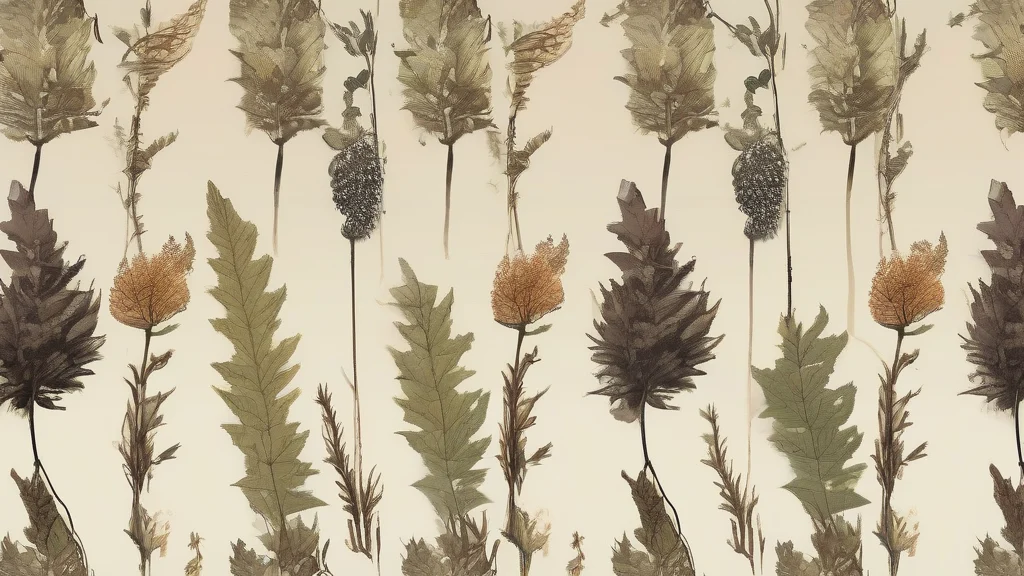
What does bugbane mean?
Bugbane is the common name for several tall perennial plants of the genus Actaea, long placed in the genus Cimicifuga, that bear elegant spikes of small white flowers in late summer and autumn. Native species grow in woodland and shaded borders across Europe, Asia, and North America, and the best-known include black cohosh and the autumn-flowering varieties prized by gardeners for their airy, candle-like flower stems. The name reflects old folk belief: like wolfsbane or henbane, it pairs 'bane' — meaning poison or destroyer — with the pest it was thought to repel, since the plant was traditionally credited with driving away insects. Today bugbane appears chiefly in gardening literature and nursery catalogues rather than casual conversation, but it remains a useful word for anyone describing shade-garden planting or traditional herbal lore, where the dried root of certain species was historically used as a remedy.
nounAny of several tall perennial plants of the genus Actaea (formerly Cimicifuga), especially the Eurasian species Actaea europaea and the North American black cohosh, bearing spikes of small white flowers and formerly believed to repel insects.
- A perennial plant of the genus Actaea (formerly Cimicifuga), with tall spikes of small white flowers, including black cohosh and related species.
"The shaded border was brightened by tall plumes of bugbane in late summer."
"Tall wands of bugbane rose above the ferns in the damp corner of the woodland garden."
"Herbalists of earlier centuries gathered bugbane root for use in traditional remedies."
Standard English plural, formed by adding -s; used when referring to multiple plants of this kind.
"Several bugbanes lined the shady path, their white spires catching the last light."
Gardeners once planted bugbane hoping its name would live up to itself — warding off bugs the way wolfsbane supposedly warded off wolves.
Reviewed by Deb Chak, Editor. AI-assisted content curated by RJS Tech Solutions LLP.
Etymology of bugbane
The word bugbane is formed from two English elements: 'bug', an older word for an insect or creeping creature, and 'bane', meaning a cause of harm or destruction. It belongs to the same pattern of naming as wolfsbane and henbane, compounds in which bane marks something believed to be poisonous or repellent to a particular creature. The compound arose in English by at least the early modern period, when such plant names circulated widely in herbals and gardening texts.
How bugbane is actually used
Bugbane is a botanical term used mainly in gardening, horticulture, and herbal contexts rather than everyday speech. The genus was long known as Cimicifuga but has been reclassified into Actaea, so older references may use the former name. It is a countable noun with the standard plural 'bugbanes'.
Easily confused with bugbane
A bugbear is a persistent source of annoyance or a bogeyman, whereas a bugbane is an insect-repelling garden plant.
Bane means a cause of ruin or distress on its own, while bugbane is specifically the name of a plant whose name combines bane with 'bug'.