What does bunko mean?
Bunko is a chiefly American noun denoting a swindle: a scheme in which a victim is deceived into handing over money, usually through false promises, rigged games, or fabricated opportunities. The word functions both for the fraud itself and, loosely, for the racket or organization behind it, appearing most naturally in set phrases like "bunko scheme," "bunko game," and "bunko artist" — the last meaning a con man. Its tone is informal and faintly old-fashioned, evoking early twentieth-century crime reporting more than contemporary headlines, which tend to prefer "scam." The spelling "bunco" is an equally standard variant of the same word, and it also names a social dice game that borrowed its name from the swindle. For writers, bunko is useful when a touch of period color or noir flavor is wanted: "a bunko ring preying on newcomers" says more about atmosphere than the plain word "fraud" ever could.
nounA swindle or confidence trick in which a victim is cheated out of money through deception, typically involving a bogus scheme or rigged gambling game; also the act of perpetrating such a fraud.
- A swindle or confidence game; fraudulent activity designed to cheat someone out of money.
"The elderly couple lost their savings to a bunko scheme run by a fake investment firm."
"Police warned residents about a telephone bunko operation targeting retirees."
"He made a living running small bunkos on tourists until the law finally caught up with him."
Rare; "bunko" is usually treated as uncountable or used attributively, so the plural appears only occasionally in older crime writing.
"The detective had seen every kind of bunko in his twenty years on the fraud squad."
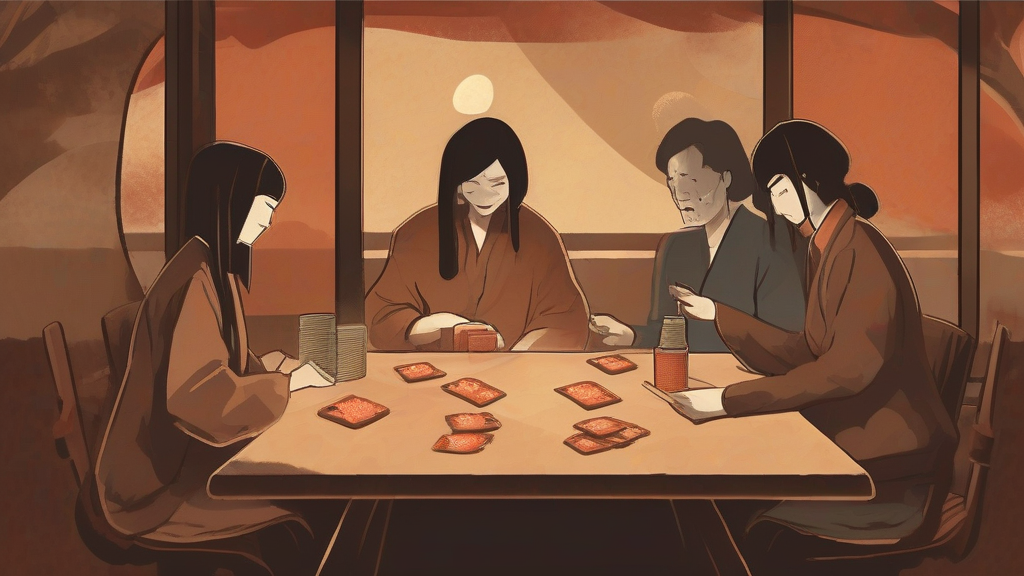
Before it was a word for being swindled, "bunko" gave its name to a harmless dice game still played at suburban game nights — proof that every con artist's favorite tool can also just be an excuse for snacks.
Reviewed by Deb Chak, Editor. AI-assisted content curated by RJS Tech Solutions LLP.
Etymology of bunko
The origin of bunko is uncertain. It first appeared in American English in the latter half of the nineteenth century as a name for cheating schemes associated with card games and gambling houses. One commonly cited suggestion derives it from Spanish "banco," meaning "bank" or the banking role in card games, but this connection has never been firmly established, and the word's ultimate source remains obscure. The variant spelling "bunco" arose alongside it and is now equally widespread; the parlor dice game called bunco takes its name from the swindle, presumably because the game was once used as a vehicle for cheating.
How bunko is actually used
Chiefly American and somewhat dated in flavor, "bunko" carries a colloquial, slightly old-fashioned register compared to modern terms like "scam." It often appears in phrases such as "bunko scheme" or "bunko artist," and its plural "bunkos" is rare but attested.
Easily confused with bunko
"Bunco" is the same word as "bunko" — an earlier and now equally common spelling of the identical term for a swindle (and of the parlor dice game named after it) — so the two are variants rather than different words.