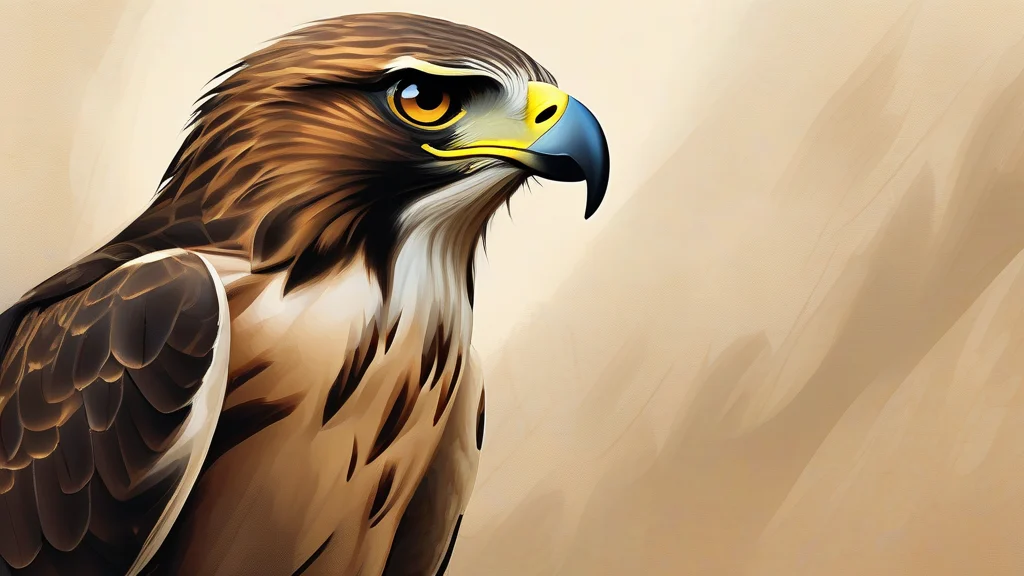
What does buteo mean?
The buteo is a genus of medium to large-sized hawks characterized by their broad wings and long, broad tails. They are found in various parts of the world and are known for their hunting prowess. The word 'buteo' is often used in ornithology and birdwatching contexts to refer to these specific types of hawks. In these contexts, the buteo is often described as a bird of prey, using its sharp talons and broad wings to hunt for small mammals and other prey. The buteo is an important part of many ecosystems, serving as a top predator and helping to regulate the populations of other animals. Despite their importance, buteos are often misunderstood or underappreciated, and more research is needed to fully understand their behavior and ecology. Overall, the buteo is a fascinating and important bird species that deserves further study and conservation efforts.
nounA buteo is a genus of medium to large-sized hawks in the family Accipitridae. They are characterized by their broad wings and long, broad tails.
- A genus of medium to large-sized hawks in the family Accipitridae.
"The buteo perched on a branch, its wings spread wide as it surveyed its surroundings."
"The buteo perched on a branch, its wings spread wide as it surveyed its surroundings."
"The buteo swooped down, its talons extended as it hunted for prey."
The plural form 'buteos' is used to refer to multiple individuals of the genus.
"A group of buteos perched in the trees, their wings spread wide as they surveyed their surroundings."
Reviewed by Deb Chak, Editor. AI-assisted content curated by RJS Tech Solutions LLP.
Etymology of buteo
The word 'buteo' originates from the Latin language, where it was used to refer to a type of hawk. The Latin word 'buteo' is thought to be derived from the verb 'butere', which means 'to hawk' or 'to swoop down'. From Latin, the word 'buteo' was borrowed into various other languages, including English, where it is used to refer to the specific genus of hawks.
How buteo is actually used
The word 'buteo' is often used in ornithology and birdwatching contexts to refer to these specific types of hawks.