What does caliver mean?
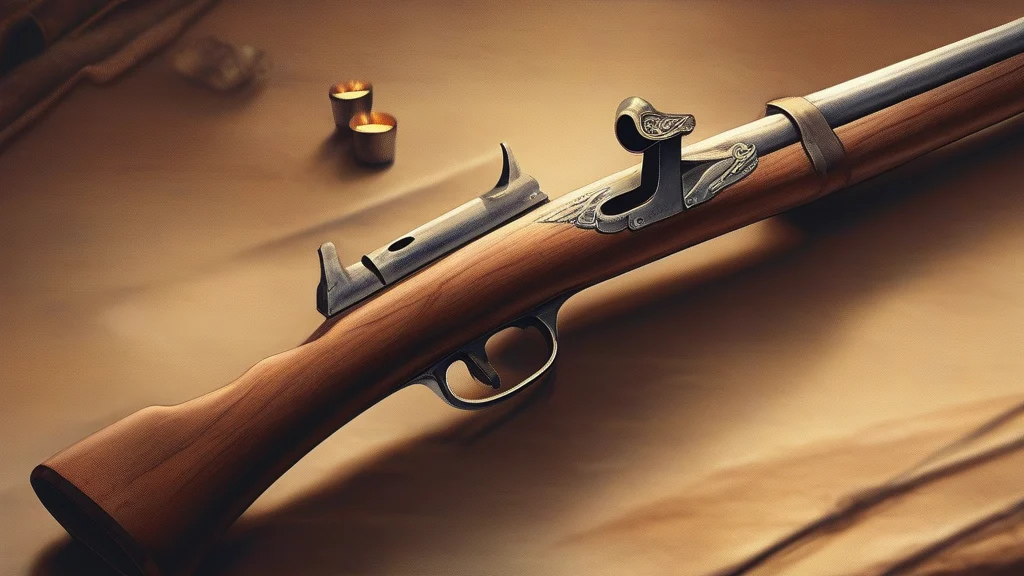
A caliver is a light matchlock firearm used chiefly in Europe during the sixteenth and early seventeenth centuries. Smaller and lighter than the musket, it could be aimed and fired without the forked rest that heavier weapons required, making it popular with infantrymen known as caliver men. The word derives through French from forms associated with 'caliber', originally referring to the bore size of the gun. Calivers saw service across Renaissance battlefields, from continental wars to the musters of the English militia under Elizabeth I, and the term survives in period documents and drama — most famously in Shakespeare's Othello. Today it is entirely historical, encountered by readers of military history, visitors to armoury collections, and students of Tudor-era texts. Knowing the word opens a window onto the transitional age when gunpowder weapons were displacing the longbow but had not yet reached the standardised musket.
nounA light matchlock firearm of the 16th and early 17th centuries, smaller than the musket and fired without a rest.
- A light matchlock gun of the 16th–17th centuries, shorter than the musket and capable of being fired without a rest.
"The muster roll listed forty pikemen and twenty soldiers armed with calivers."
"The Elizabethan militia company mustered with pikes, bows, and a dozen calivers."
"In Shakespeare's day, a trained caliver man could loose several shots a minute from behind cover."
Regular plural; typically used when counting weapons in inventories, muster rolls, or historical narratives.
"The arsenal contained thirty muskets and fifty calivers."
Before the word 'caliber' settled into meaning barrel width, its cousin 'caliver' named the whole gun — a lightweight musket that let Renaissance soldiers fire without propping their weapon on a forked rest.
Reviewed by Deb Chak, Editor. AI-assisted content curated by RJS Tech Solutions LLP.
Etymology of caliver
Caliver entered English in the sixteenth century, borrowed from French calivre, which itself traces back to Italian forms connected with 'caliber' — the word for the bore of a firearm. The name likely arose because the weapon was defined by a standardized bore size, distinguishing it from larger muskets. It belongs to the same word family as English 'caliber' (and British 'calibre'), all pointing ultimately to a Mediterranean source of disputed deeper origin. The word fell out of use as flintlock muskets superseded matchlocks in the late seventeenth century.
How caliver is actually used
Strictly historical; found today almost exclusively in military history, museum contexts, historical fiction set in the Tudor or Stuart periods, and Shakespeare commentary (the phrase 'caliver' appears in Othello). Not used for modern firearms.
Easily confused with caliver
A quiver is a case for holding arrows, whereas a caliver is an early handheld firearm.
Caliber refers to the internal diameter of a gun barrel or the quality of something, while a caliver is itself a type of early firearm.