What does cariole mean?
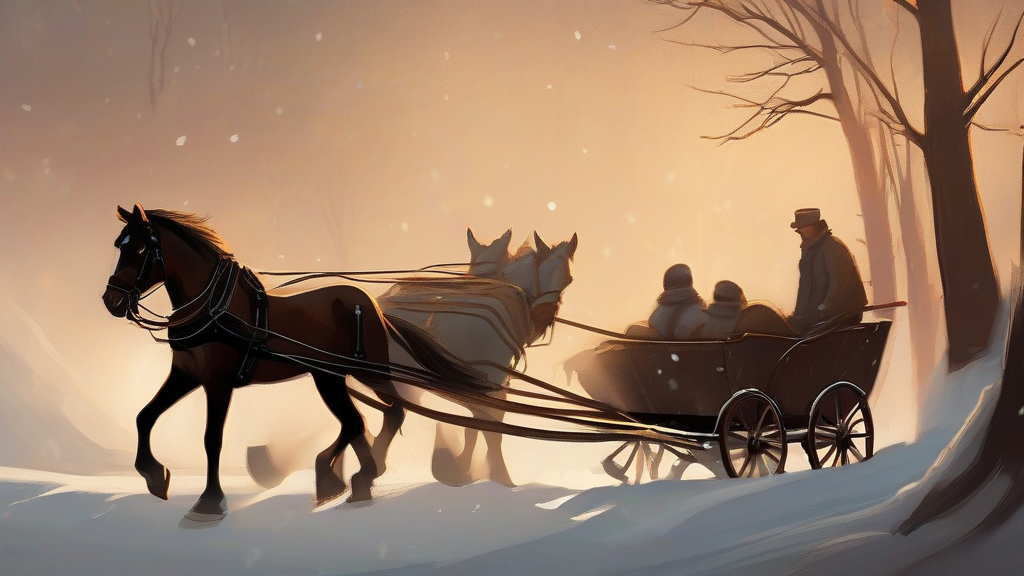
A cariole is a small, light, open carriage, usually seating two and drawn by one horse. The term is now largely historical, but it survives in descriptions of nineteenth-century travel and in Canadian history, where the cariole names a distinctive winter sleigh used by fur traders, clergy, and settlers to cross snow-covered terrain. Drawn by a single horse or a team and often fitted with high runners and warm robes, the Canadian cariole became emblematic of life during the fur-trade era. In Britain, the word more commonly referred to a low, two-wheeled pleasure vehicle. Because it appears mostly in historical writing, travel memoirs, and museum contexts rather than everyday speech, encountering a cariole today usually signals a deliberate evocation of the past — a reminder of a time when the pace of travel was set entirely by horsepower.
nounA small, light, open carriage, typically seating two people; in Canada, historically also a sleigh of similar design used for winter travel.
- A small, light, two-wheeled open carriage.
- In Canadian history, a light horse-drawn sleigh used especially in winter travel and by fur traders.
"The newlyweds toured the estate grounds in an elegant cariole drawn by a single horse."
"The doctor made his rounds each morning in a modest cariole pulled by one sturdy pony."
"Fur traders bundled in buffalo robes sped along the frozen river by cariole to reach the trading post before nightfall."
Standard plural; used when referring to multiple vehicles, as in historical accounts of fleets of sleighs or carriages.
"By mid-morning, a line of carioles stood waiting outside the trading post."
Before snowmobiles existed, Canadians glided across frozen lakes in a cariole — a horse-drawn sleigh so iconic it became part of the country's fur-trade folklore.
Reviewed by Deb Chak, Editor. AI-assisted content curated by RJS Tech Solutions LLP.
Etymology of cariole
Cariole comes from French carriole, a diminutive formed on carre or charrette-related terms ultimately deriving from Latin carrus, meaning a two-wheeled wagon or cart. English borrowed the word in the late eighteenth century. It thus shares its ancient root with such common words as car, cart, cargo, and carriage, all descendants of that same Latin word for a wheeled vehicle.
How cariole is actually used
The word is now chiefly historical or literary. In British usage it refers mainly to the light carriage; in North American usage, particularly Canadian, it more often denotes the enclosed or half-enclosed winter sleigh associated with the fur trade era.
Easily confused with cariole
A chariot is an ancient two-wheeled racing or war vehicle, whereas a cariole is a small modern-era open carriage or sleigh.