What does cassine mean?
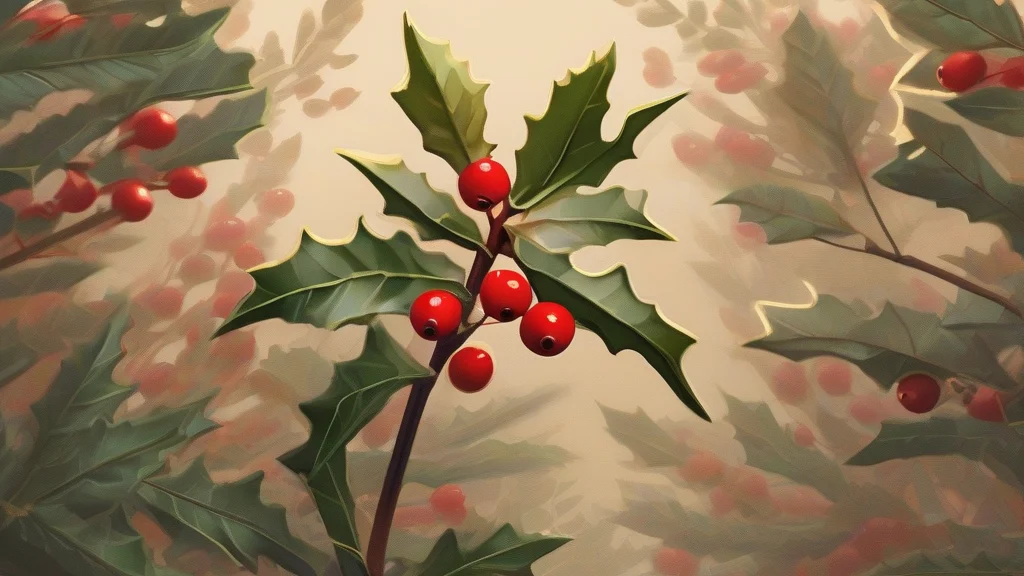
Cassine is a botanical term used primarily for the Dahoon holly (Ilex cassine), an evergreen holly native to wetlands and coastal regions of the southeastern United States. It grows as a large shrub or small tree with smooth, leathery, dark-green leaves and produces clusters of small red berries that persist into winter, making it popular in ornamental landscaping and valuable to birds. The word also denotes certain evergreen shrubs and small trees of the genus Cassine, found in southern Africa and belonging to the staff-vine family (Celastraceae), where species are noted for hardy foliage and bird-attracting fruit. Because the term arises mostly in horticultural and ecological writing rather than daily conversation, it carries a technical register; many readers will know the plant better by its common names, such as dahoon or dahoon holly.
nounA holly tree native to the southeastern United States (Ilex cassine), known as dahoon or dahoon holly, bearing small red berries. Also, a southern African evergreen shrub or small tree of the genus Cassine (family Celastraceae).
- The Dahoon holly, Ilex cassine, an evergreen holly of the southeastern United States with red berries.
- Any evergreen shrub or small tree of the southern African genus Cassine (Celastraceae), such as Cassine peragua.
"Dahoon hollies lined the wetland edge, their glossy leaves and scarlet cassine berries vivid against the grey water."
"The gardener chose dahoon holly for the pond margin because cassine thrives in damp, acidic soil."
"In Cape Town's fynbos gardens, cassine is valued as a hardy evergreen that attracts birds."
Regular plural; used when referring to multiple plants.
"The nursery stocked several young cassines for wetland restoration projects."
The cassine isn't just any holly — it's a swamp-loving American holly whose red berries brighten wetlands from Virginia to Texas.
Reviewed by Deb Chak, Editor. AI-assisted content curated by RJS Tech Solutions LLP.
Etymology of cassine
The word cassine entered English in the eighteenth century through botanical usage associated with Linnaeus's naming of the American holly as Ilex cassine. Its ultimate origin is uncertain, but it was adopted via scientific Latin and French conventions for naming plants. It should not be confused with cuisine, which derives independently from French culinary vocabulary.
How cassine is actually used
The word is chiefly botanical and relatively rare in everyday speech. In North America it usually appears in its common form 'dahoon' or 'dahoon holly'; the genus name Ilex cassine is more typical of technical writing. The southern African sense belongs mainly to regional botanical literature. The plural is regular.
Easily confused with cassine
Cassine is a type of holly tree or southern African plant, while cuisine refers to a style or manner of cooking food.