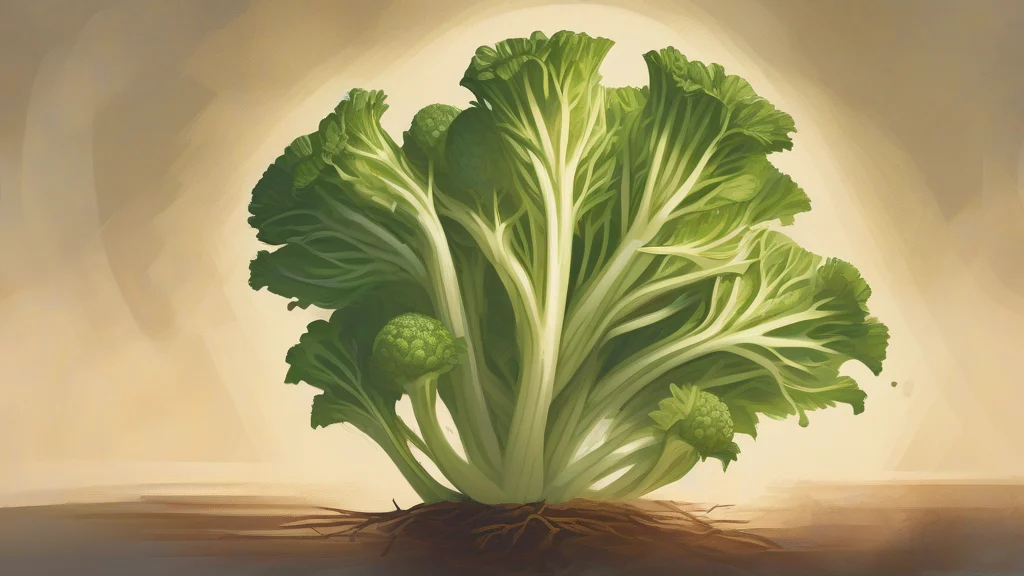
What does celeriac mean?
Celeriac is a cultivated variety of celery, scientifically known as Apium graveolens var. rapaceum, grown not for its leafy stalks but for its large, round, knobbly root. Beneath its rough, brownish exterior lies dense white flesh with a subtle flavour combining nutty, earthy, and mild celery notes. Widely appreciated in European cuisine, celeriac can be roasted, mashed into a creamy purée, added to soups, or grated raw into the classic French dish celeriac rémoulade. In American markets it is often labelled 'celery root', while British usage favours 'celeriac'. The word entered English from French, which borrowed it from Latin roots related to the celery plant. Though humble in appearance — often described as one of the ugliest vegetables at the market — celeriac has earned a devoted following among chefs for its versatility and distinctive taste, making it a rewarding ingredient for home cooks willing to look past its rough skin.
nounA variety of celery (Apium graveolens var. rapaceum) grown for its large, bulbous edible root, which has a firm white flesh and a distinctive nutty, celery-like flavour.
- The bulbous edible root of the celeriac plant, eaten cooked or raw.
- The plant itself (a cultivated variety of Apium graveolens) grown for its root.
"She roasted the celeriac with olive oil and thyme until it turned golden and tender."
"Celeriac makes a wonderfully silky purée to serve alongside roasted meats."
"Grate raw celeriac into a mustardy rémoulade for a classic French salad."
Both 'celeriac' (as a mass noun) and 'celeriacs' are acceptable; the plural is used mainly when counting individual roots.
"The stall had three celeriacs left by mid-morning."
Celeriac looks like a gnarled, hairy ball of dirt in the market — but beneath that unglamorous exterior hides one of the most elegant vegetables in the French kitchen.
Reviewed by Deb Chak, Editor. AI-assisted content curated by RJS Tech Solutions LLP.
Etymology of celeriac
The word celeriac comes from French céleri-rave, literally 'root celery', formed from céleri (celery) combined with rave, an old word for turnip-like root vegetables. Céleri itself traces back through Swedish selleri and German Sellerie to Italian sedano and ultimately Latin apium, the classical name for celery or parsley plants. The English form was adopted in the late eighteenth century as the root vegetable became better known in Britain and North America.
How celeriac is actually used
In American English the term 'celery root' is more common in everyday grocery contexts, while 'celeriac' is preferred in British English and on restaurant menus. The word is somewhat formal or culinary in tone; it is rarely used outside food contexts. Both the singular and plural forms are used; the plural is typically 'celeriacs' when referring to individual roots.
Easily confused with celeriac
Celery is grown for its crisp leaf stalks, whereas celeriac is a related plant cultivated for its swollen underground root.