What does cephalate mean?
A cephalate is a type of animal that has its head and tentacles located at the front of its body. This characteristic is found in various species of mollusks and worms, which are invertebrates that lack a backbone. The term cephalate is often used in formal or technical contexts, such as in scientific or educational writing. It is an important concept in the field of biology, particularly in the study of invertebrate anatomy and behavior. Understanding the characteristics of cephalates can provide valuable insights into the diversity of life on Earth and the complex relationships between different species. By studying cephalates, scientists can gain a deeper appreciation for the intricate mechanisms that govern the behavior and physiology of these fascinating creatures.
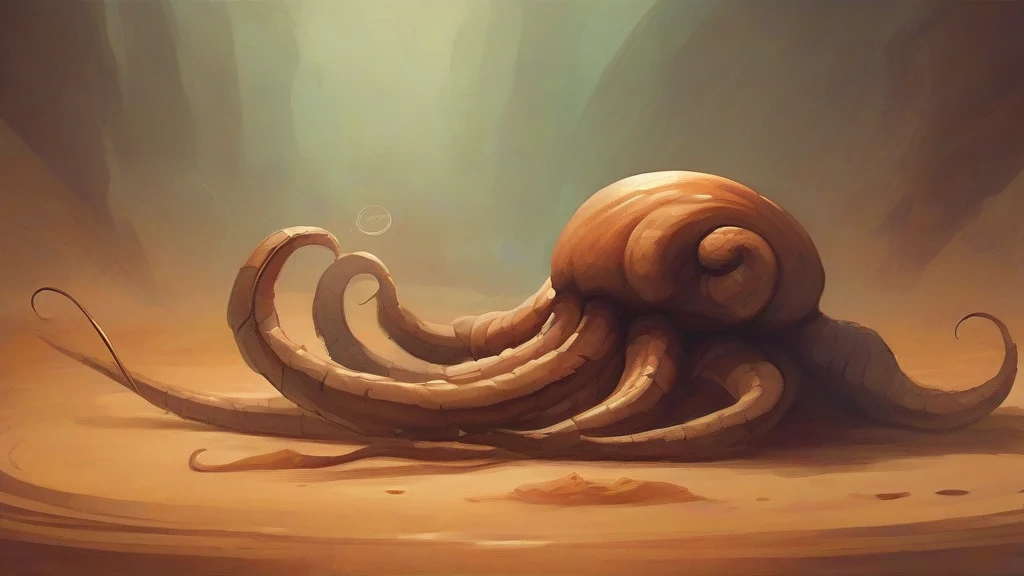
nounA cephalate is a type of animal, typically a mollusk or a worm, that has its head and tentacles or other appendages located at the front of its body.
- A cephalate is a type of animal with its head and tentacles located at the front of its body.
"The cephalate slowly made its way across the ocean floor, its tentacles waving gently in the current."
"The cephalate slowly made its way across the ocean floor, its tentacles waving gently in the current."
The plural form cephalates is used to refer to multiple cephalates, and is commonly used in scientific or educational contexts.
"A group of cephalates were observed in the laboratory, their behavior studied and recorded."
Reviewed by Deb Chak, Editor. AI-assisted content curated by RJS Tech Solutions LLP.
Etymology of cephalate
The term cephalate is derived from the Greek word kephalē, meaning 'head', and the Latin suffix -atus, which forms nouns. This etymology reflects the characteristic feature of cephalates, which is the presence of a head and tentacles or other appendages at the front of their body.
How cephalate is actually used
Cephalate is typically used in formal or technical contexts, such as in scientific or educational writing.