What does chicane mean?
A chicane is a trick, artifice, or piece of sharp practice — a deliberate device for misleading others, especially in legal, political, or commercial dealings. The word carries a distinctly negative, rather formal tone: to call something a chicane is to accuse it of bad faith dressed up as procedure. In modern motorsport the word has taken on a second, wholly neutral life, naming the tight sequence of opposing bends inserted into a racetrack to force drivers to slow down. Both senses trace back through French to a root suggesting quibbling and petty dispute. Writers reach for chicane when they want a precise, slightly literary alternative to plainer words like trick or ploy, while racing fans know it as one of the most demanding features of any circuit. Its verb form — to chicane, meaning to use such trickery — survives but is now uncommon. Whether describing a deceptive clause or a braking challenge, the word always implies a sudden twist that tests whoever must navigate it.
A trick, subterfuge, or piece of deception intended to achieve an unfair advantage.
"Every clause of the settlement concealed some fresh chicane."
Usually found in formal or legalistic prose; often pluralized when referring to repeated acts of trickery.
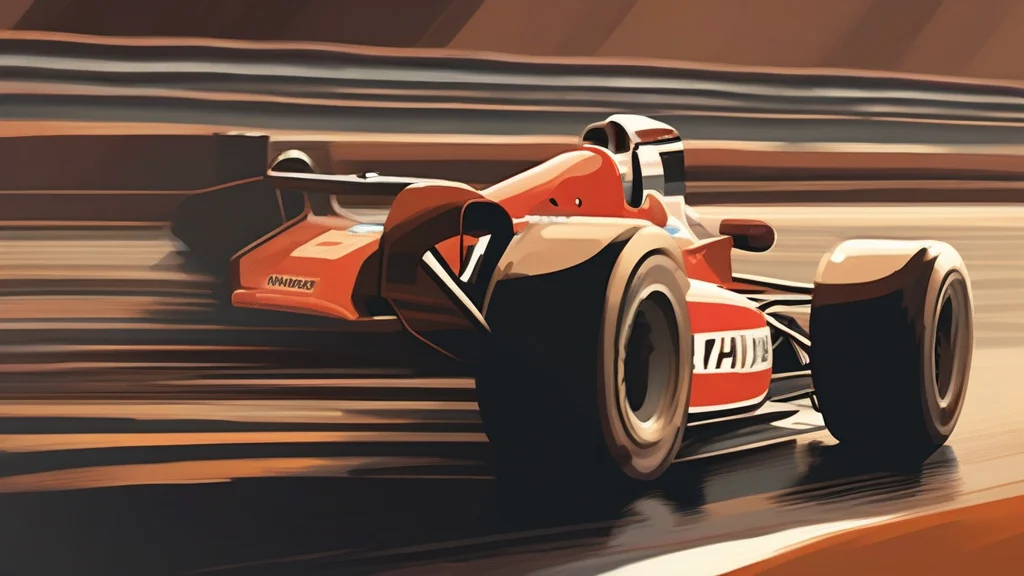
In motor racing, a short sequence of tight, alternating bends introduced into a track to reduce vehicle speed.
"The new chicane at the end of the back straight cut top speeds dramatically."
Neutral technical term in motorsport contexts, common in both British and American usage.
To use trickery or quibbling to deceive someone.
"They chicaned their way through the negotiations until the other side walked out."
Rare in contemporary English; chiefly historical or literary.
Regular plural; commonly used both for multiple instances of trickery and for multiple track features in racing.
"The circuit's two fast chicanes were resurfaced before the race."
The same word that describes a lawyer's sneaky maneuver also names the heart-stopping hairpin complex where Formula One drivers brake from over 300 km/h.
Reviewed by Deb Chak, Editor. AI-assisted content curated by RJS Tech Solutions LLP.
Etymology of chicane
Chicane entered English in the early seventeenth century, borrowed from French, where it meant quibbling or trickery and was associated with the card game of that name involving deceptive play. It ultimately derives from the Middle French verb chicaner, meaning to quibble or pettifog, itself probably of Germanic origin via Medieval Latin. English also took the noun chicanery from the same French source, making them true siblings in both form and meaning.
How chicane is actually used
The 'deception' sense carries a strongly negative, somewhat formal connotation and appears most often in legal, political, and journalistic writing. The motorsport sense is entirely neutral and standard across British and American racing coverage. The verb form is comparatively rare today.
Easily confused with chicane
Chicanery is the noun meaning deceptive trickery in general, while chicane can be a single trick or subterfuge, a verb meaning to use such tricks, or a motorsport term for a tight sequence of corners.
Chassis refers to the frame or base structure of a vehicle; despite a similar opening spelling, it has no connection in sound or meaning to the tricks or track features called chicanes.