What does childermas mean?
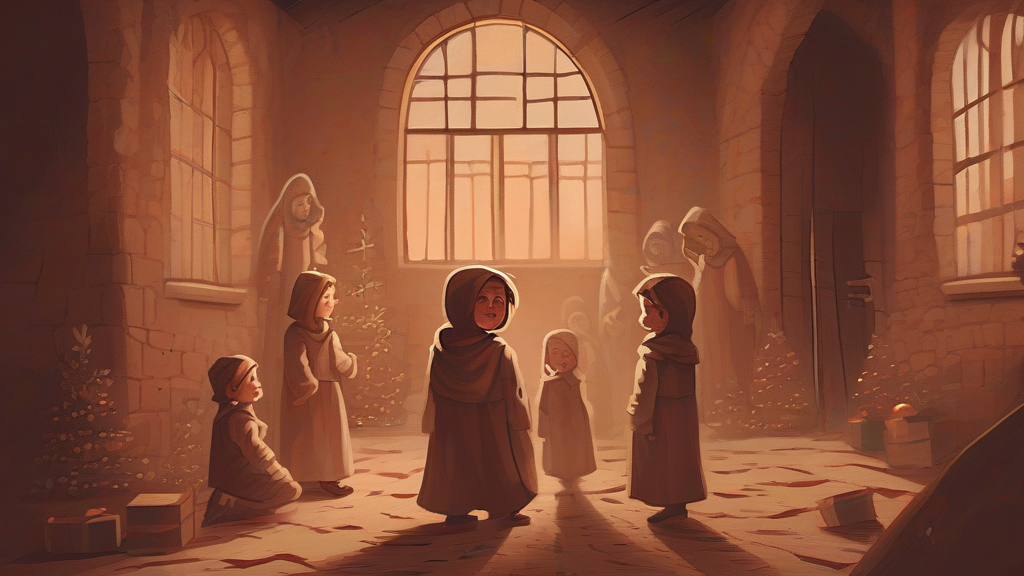
Childermas is the name for the Christian feast of the Holy Innocents, observed each year on December 28th during the twelve days of Christmas. It commemorates, according to the Gospel of Matthew, the young boys of Bethlehem who were put to death by King Herod the Great in his attempt to eliminate the newborn Jesus, whom he had been told would become king. The name derives from Middle English childer, an old plural of 'child', combined with 'mass', meaning a church festival. Because it memorialises a slaughter of infants, Childermas has always carried a mournful character, and in medieval times it was widely regarded as a day of terrible luck—one on which weddings were avoided, voyages postponed, and coronations delayed. Although the term remains familiar mainly to historians and liturgical scholars, the feast itself endures across many Western churches under the more common name of the Feast of the Holy Innocents or Innocents' Day.
nounA church festival observed on December 28th commemorating the massacre of the Holy Innocents—the male children of Bethlehem killed on the order of Herod the Great in an attempt to slay the infant Jesus.
- The annual Christian feast on December 28th (December 29th when the 28th falls on a Sunday) commemorating the Holy Innocents, the children of Bethlehem massacred by order of Herod the Great as recounted in the Gospel of Matthew.
"In medieval England, Childermas was regarded as a day of ill omen, so unlucky that no new enterprise was begun upon it."
"The parish marked Childermas with a sombre service recalling the innocent victims of Bethlehem."
"Old almanacs warned against starting any venture on Childermas, long held to be the unluckiest day of the year."
For centuries, December 28th was considered so cursed that kings refused to be crowned and sailors refused to set sail on Childermas.
Reviewed by Deb Chak, Editor. AI-assisted content curated by RJS Tech Solutions LLP.
Etymology of childermas
Childermas comes from Middle English childermassei, combining childer—an older plural form of 'child' that survives in this word and a few dialects—with masse, from Old English mæsse, meaning a church festival or Eucharistic service. The construction parallels other English feast-day names such as Christmas ('Christ's mass') and Martinmas ('St Martin's mass'). The underlying commemoration dates to the early centuries of Christianity, when the Western church established a fixed date for remembering the Holy Innocents shortly after Christmas. The word has been part of the English liturgical calendar vocabulary since at least the medieval period.
How childermas is actually used
Childermas is chiefly used in liturgical, historical, and ecclesiastical contexts; most modern churches refer to the day simply as the Feast of the Holy Innocents or Innocents' Day. It carries a sombre, mournful connotation rather than a celebratory one, and it sits within the twelve days of Christmastide. The name survives mostly in discussions of medieval custom and calendar lore.
Easily confused with childermas
Christmas is the feast celebrating the birth of Jesus on December 25th, while Childermas is the later feast (December 28th) mourning the children slain by Herod.
Children's Day is a modern secular holiday honouring children generally, whereas Childermas is a specifically religious commemoration of the slaughtered innocents of Bethlehem.