
What does choreodrama mean?
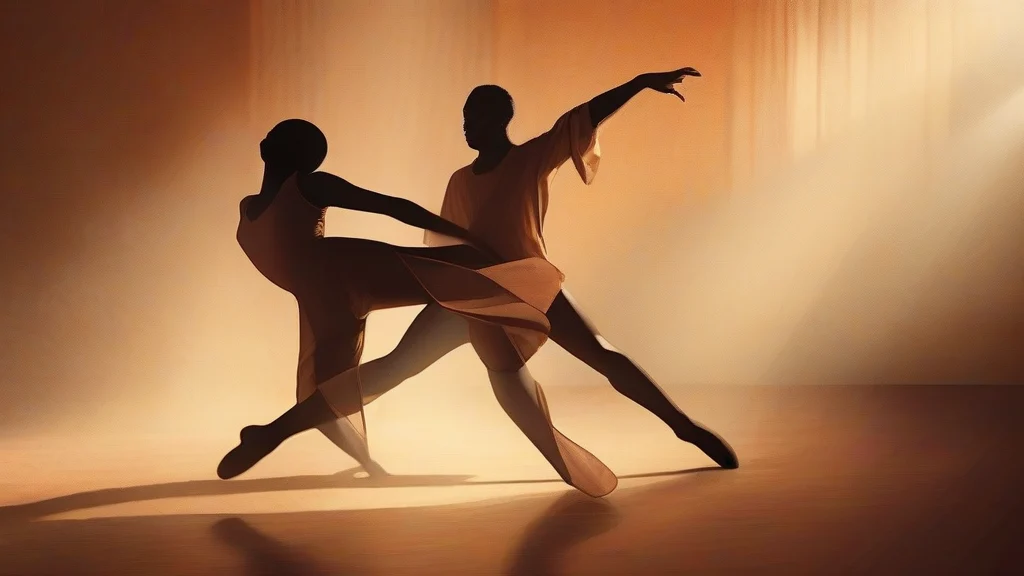
Choreodrama is a theatrical form in which dance and choreography carry part or all of the dramatic narrative. Rather than relying primarily on spoken dialogue, performers use movement, gesture, music, and sometimes song to communicate character, conflict, emotion, and action. The term is associated especially with ballet, musical theatre, and experimental dance productions, although choreodramatic works can draw on many performance styles. Choreodrama differs from choreography itself: choreography refers to the design or arrangement of dance movements, while choreodrama is the larger dramatic work in which such movement serves a narrative purpose. Although “musical” may sometimes be used as a loose synonym, choreodrama places particular emphasis on the expressive and structural role of dance. The word is useful in discussions of performance because it identifies a form of storytelling in which the body and physical movement are central to meaning rather than merely decorative.
nounA form of theatrical entertainment in which dance and choreography convey dramatic action, narrative, or emotion, often in combination with music and song.
- A theatrical work or form of performance in which dance, gesture, music, and song convey dramatic action and narrative.
"The company revived the classic choreodrama for its spring season."
"The experimental choreodrama used movement and percussion to retell the legend of Prometheus."
"Her study of twentieth-century choreodrama examines how dancers convey character without conventional dialogue."
The plural is used when referring to multiple choreodramas as works, productions, or genres; it is relatively uncommon.
"The festival presented choreodramas created by dance companies from several countries."
Literally, choreodrama is “dance-drama”: Greek choros, meaning dance, meets drama, while choreography means “dance writing.”
Reviewed by Deb Chak, Editor. AI-assisted content curated by RJS Tech Solutions LLP.
Etymology of choreodrama
Choreodrama was formed in the early twentieth century from Greek khoros, meaning a dance or circular dance, and drama, referring to action or a play. The compound reflects the genre's close fusion of dance and dramatic narrative. Its dance element is shared by choreography and chorus, while orchestra ultimately comes from the same Greek term through the idea of the place where a chorus danced.
Related word forms
How choreodrama is actually used
The term is most common in discussions of ballet, musical theatre, dance, and experimental performance. It can sound more specialized than “musical” or “dance drama,” and it is not normally used for an isolated sequence of choreographed movement unless that movement is part of a dramatic production.
Easily confused with choreodrama
Choreography is the art or arrangement of dance movements, whereas a choreodrama is a theatrical work in which dance helps convey dramatic narrative.
Dramaturgy concerns the dramatic structure and interpretation of a play, while choreodrama specifically combines drama with dance and choreography.