What does cicadae mean?
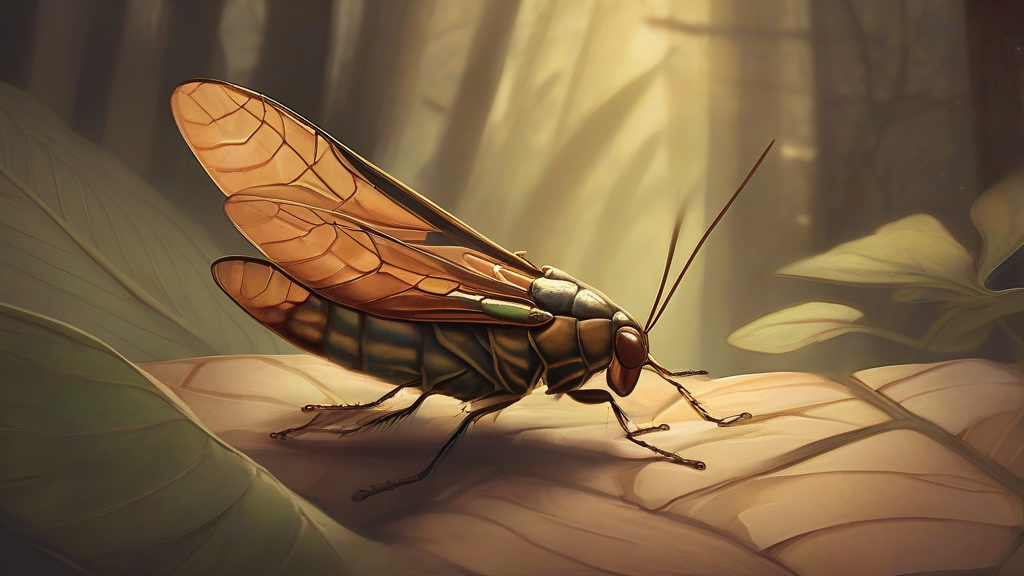
Cicadae is the plural of cicada, naming the stout-bodied insects of the family Cicadidae famed for the loud, droning song that males produce by vibrating drumlike structures called tymbals on their abdomens. Cicadae are found in warm regions worldwide; they spend years — sometimes many years — living underground as nymphs before emerging for a few weeks to sing, mate, and die. In everyday modern English the plural is usually rendered 'cicadas', so 'cicadae' carries a formal, classical flavor and appears most often in literary or scientific prose, echoing the word's Latin origin. The insects have long held a place in human culture: ancient Greek and Chinese writers admired the cicada's song as an emblem of summer and of carefree poetry. Knowing the form 'cicadae' helps readers navigate older texts, entomological writing, and stylized prose about the quintessential sound of a hot afternoon.
nounCicadae is the plural of cicada: large, broad-headed insects of the family Cicadidae, the males of which produce a loud, droning song by vibrating drumlike membranes on their abdomens.
- Plural of cicada: any of various stout-bodied insects of the family Cicadidae whose males make a loud shrill sound by vibrating membranes on the underside of the abdomen.
"By midsummer, the cicadae had grown so loud that conversation in the garden became impossible."
"The cicadae emerged after seventeen years underground, filling the trees with their chorus."
"Ancient Greek poets prized the song of the cicadae as the very music of summer."
Cicadae is a Latinate plural of cicada; the standard modern English plural is cicadas, and the two should not be mixed in the same text.
"The cicadae sang from the olive groves until well past midnight."
Cicadae can spend seventeen years underground waiting for one brief, deafening summer above it.
Reviewed by Deb Chak, Editor. AI-assisted content curated by RJS Tech Solutions LLP.
Etymology of cicadae
The word derives from Latin cicada (also appearing in Latin as cicala), meaning the same tree-cricket-like insect, and was borrowed into English in the fifteenth or sixteenth century via scholarly and natural-history writing. The plural cicadae follows the Latin first-declension pattern rather than the anglicized '-s' plural that later became standard. The Italian derivative cicala entered English separately and preserves the alternate Latin form of the name.
Related word forms
How cicadae is actually used
In modern English, the anglicized plural 'cicadas' is far more common than the Latinate 'cicadae', which now sounds formal, classical, or literary. Writers should choose one plural form and use it consistently within a piece.
Easily confused with cicadae
Cicadas is the standard anglicized plural of cicada, while cicadae is a less common Latinate plural of the same word; both refer to the same insect.