
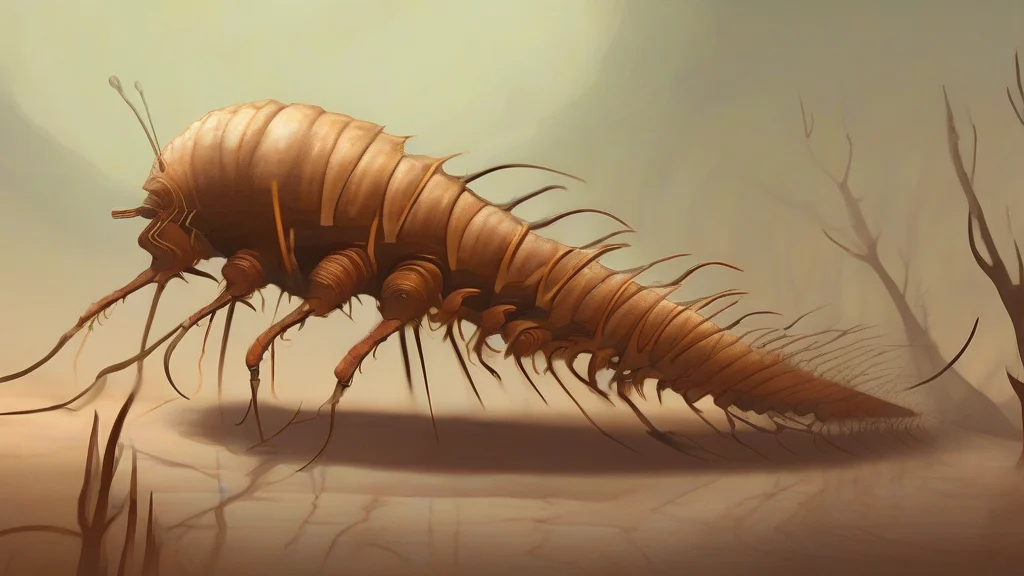
What does cirrhipede mean?
A cirrhipede is a marine crustacean belonging to the barnacle group. Like other barnacles, it develops a protective shell or plates and uses feathery appendages called cirri to collect food from the surrounding water. Its larvae are free-swimming, but the familiar adults remain attached to rocks, piers, ships, and other surfaces. The word occurs mainly in zoological and taxonomic writing, particularly when referring to the group formally known as Cirripedia. Because it is uncommon outside specialist contexts, writers normally use “barnacle” when no technical distinction is needed. Even so, cirrhipede is a useful term because it gives a precise label for the organism while also identifying its zoological classification. Its name combines elements meaning “curl” and “foot,” an apt reminder of the conspicuous fringed appendages that give barnacles their distinctive feeding apparatus.
nounA marine crustacean of the barnacle group, characterized in its adult form by a hard shell and feathery appendages used for feeding.
- A barnacle or other member of the taxonomic group Cirripedia.
"A cirrhipede settled on the submerged hull and remained there for the rest of the voyage."
"The tide pool was crowded with cirrhipedes whose feathery appendages swept through the water."
"The museum's historical catalogue described the unusual cirrhipede specimen as having been collected from a shipwreck."
The regular English plural adds -s; it is used chiefly in specialist writing.
"Several cirrhipedes were attached to the rocky shoreline."
In its name, cirrhipede is part science lesson and part poetry: Latin for “curl” meets Greek for “foot.”
Reviewed by Deb Chak, Editor. AI-assisted content curated by RJS Tech Solutions LLP.
Where does cirrhipede come from?
English borrowed the word from the Modern Latin taxonomic form Cirripedia, built from Latin cirrus, meaning “curl,” and a Greek combining form meaning “foot.” The form was subsequently used for an individual member of the taxonomic group. The first element also appears in English words such as cirrate and cirriform, while the foot-root is cognate with words including pedal.
How cirrhipede is actually used
This is a rare, chiefly scientific term found in zoology, taxonomy, natural history, and specialist writing. In ordinary contexts, “barnacle” is much more familiar and usually sufficient.
Easily confused with cirrhipede
A cirriped is an adjective meaning of or relating to barnacles, whereas a cirrhipede is a barnacle itself.