What does clart mean?
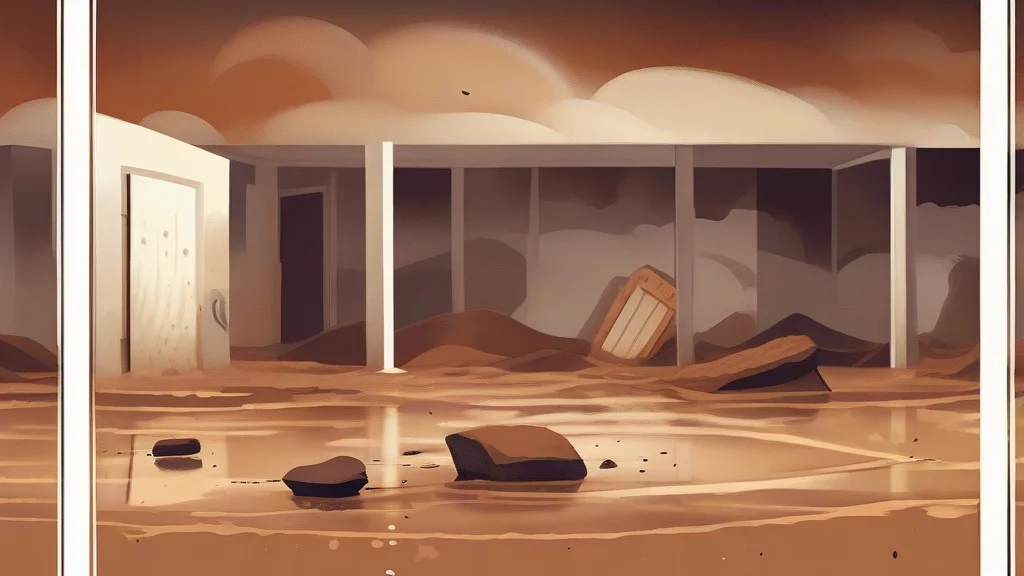
Clart is a dialect word for thick, sticky mud or filth, used chiefly in Northern England and Scotland. It can also function as a verb meaning to smear or daub something with that same wet dirt. A farmer might complain about clart on the lane after heavy rain, while a parent might scold a child for coming into the house clarted from head to toe. The word carries an earthy, informal register and is especially characteristic of Cumbrian and Tyneside speech, where it remains part of everyday vocabulary. Its adjective form, clarty, describes something covered or smeared with mud. Though unfamiliar to many speakers outside its home regions, clart is valued for its vividness: where standard English offers only 'mud' or 'mire', clart conveys a particular sense of tenacious, clinging dirt. It is a fine example of how regional vocabulary preserves distinctions and textures that standard English has lost.
Thick, sticky mud or filth.
"After the storm, the path up to the farm was knee-deep in clart."
Chiefly Northern English and Scottish dialect; informal.
To smear or daub with mud or sticky dirt.
"The dog came bounding back, clarted from nose to tail."
Often encountered as the past participle 'clarted'.
The plural is rare in practice; clart most often functions as an uncountable mass term for mud.
"There were clarts of drying mud across the kitchen floor."
In the North of England, 'clart' turns a rainy walk into a battle with the ground itself — it's mud with attitude.
Reviewed by Deb Chak, Editor. AI-assisted content curated by RJS Tech Solutions LLP.
Etymology of clart
The origin of clart is obscure, but it has been part of Northern English and Scots vocabulary since at least the early seventeenth century. It appears consistently in dialect writing from Cumbria, Northumberland, and Scotland, suggesting a long-established regional root rather than a borrowing from standard English. Some etymologists have suggested a possible Scandinavian influence, which would fit the strong Norse heritage of Northern English dialects, though no definitive source has been established.
Related word forms
How clart is actually used
Register: informal and regional. Clart is strongly associated with Northern English and Scottish dialect, especially Geordie and Cumbrian speech, where it remains in lively everyday use. Outside those regions it is rare and may be unfamiliar. The verb form often appears in the past participle 'clarted', describing someone or something thoroughly smeared with mud. Connotation is earthy and homely rather than insulting, though it can carry mild disapproval when applied to mess brought indoors.
Easily confused with clart
Chart means a diagram or a map of data, while clart means mud or sticky dirt.