What does clypeus mean?
The clypeus is best known from ancient Rome, where it denoted a large, roughly circular shield carried by soldiers, particularly before the rectangular scutum became standard among legionaries. Borrowed directly from Latin, the word survives today in two main contexts: historical accounts of classical warfare, where it evokes the round defensive gear of the early Republic's hoplite-style troops, and modern zoology, where 'clypeus' is the established term for a shield-shaped plate on the front of an insect's head, situated above the mouthparts and below the frons. Because of this dual life, the word carries a distinctly scholarly flavor — you will meet it in military-history books, museum captions, and entomology papers rather than everyday conversation. Its Latin origin links it conceptually with other terms of classical arms and anatomy, making it a precise, evocative choice whenever a writer wants the exact word for either an ancient round shield or that small armored patch of an insect's face.
A large, roughly circular shield of ancient Rome, especially one borne by infantry soldiers.
"Each warrior gripped his clypeus firmly as the opposing lines closed."
Chiefly found in classical and archaeological writing.
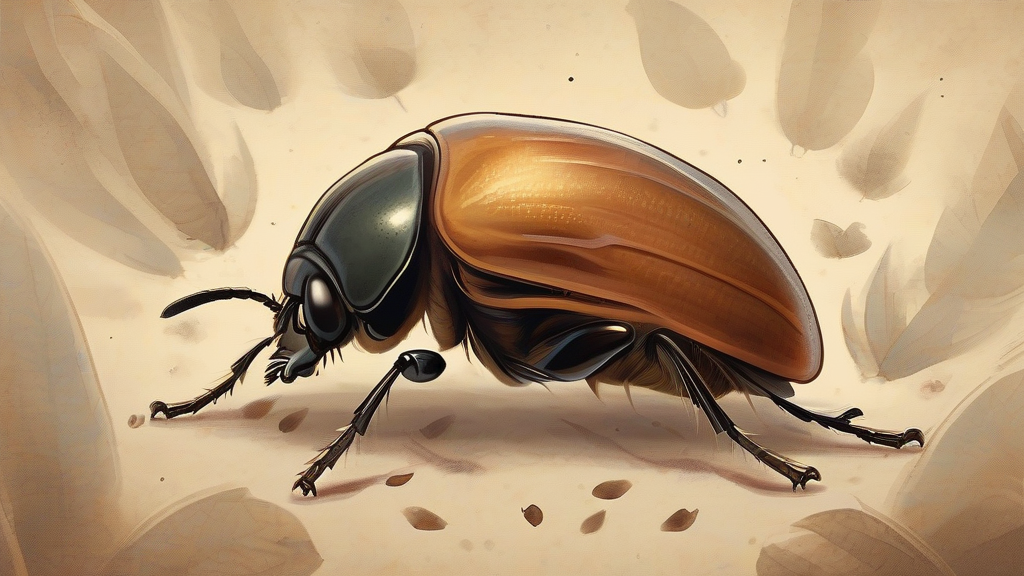
(Entomology) The shield-shaped sclerite forming part of the front of an insect's head, below the frons and above the labrum.
"Taxonomists distinguish these species by the shape and setation of the clypeus."
Standard technical terminology in insect morphology.
The plural follows the Latin second-declension pattern, anglicized as 'clypei' (/ˈklaɪpiaɪ/); it is used mainly in entomological descriptions when comparing multiple specimens.
"In all five specimens examined, the clypei bore a pair of distinct bristles."
The same Latin word that named the round shields of Rome's legions now names a tiny armor plate on the face of every beetle and bee — entomologists still call it the clypeus.
Reviewed by Deb Chak, Editor. AI-assisted content curated by RJS Tech Solutions LLP.
Etymology of clypeus
English 'clypeus' comes directly from Latin clipeus (also spelled clypeus), meaning a round shield, a word of uncertain deeper origin but long attested in Classical Latin. It entered English in scholarly use during the early modern period, when writers on antiquity adopted Latin technical vocabulary wholesale. Zoologists later extended the term to describe the shield-like sclerite on the heads of arthropods, preserving both its form and its martial metaphor.
Related word forms
How clypeus is actually used
Formal and technical register. In modern English it appears chiefly in classical history writing about Roman military equipment and in entomology, where it is standard anatomical terminology for insects and other arthropods.
Easily confused with clypeus
The scutum was the large rectangular curved shield of the Roman legionary, whereas the clypeus was typically the older, rounder shield type (and is also the anatomical term for a plate on an insect's head).