What does cochin mean?
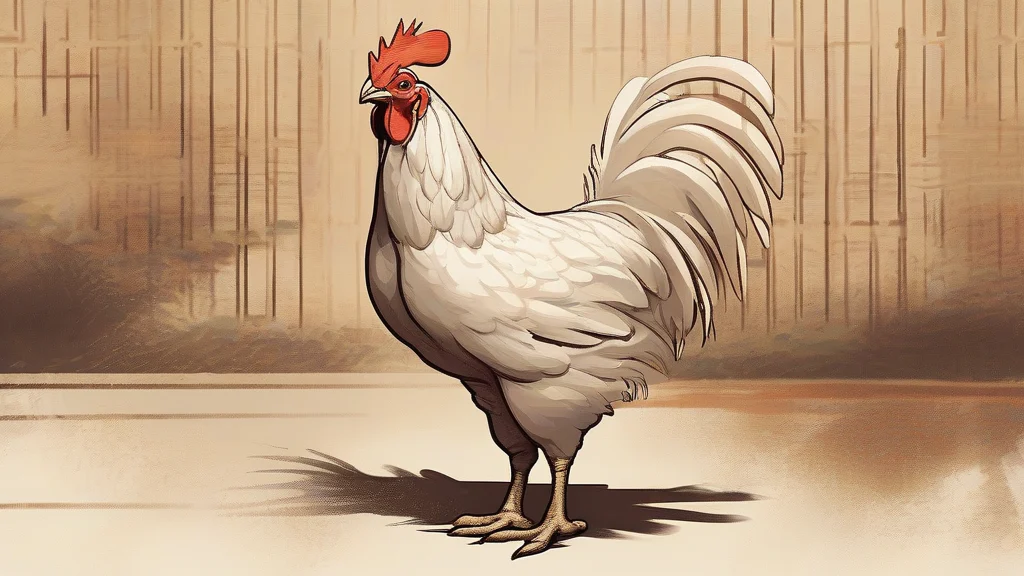
A cochin is a distinctive breed of domestic chicken that originated in China and takes its name from Cochin-China, the former name of a region of southern Vietnam through which the birds were first exported to the West. Cochins are among the largest of all chicken breeds, with broad, rounded bodies and remarkably profuse, soft plumage that covers even their legs and toes, giving them a characteristically ball-like silhouette. Introduced to Britain and America in the mid-nineteenth century, they sparked an extraordinary enthusiasm for poultry keeping popularly known as 'hen fever,' and Queen Victoria was among their admirers. Today they are kept mainly for exhibition and as gentle, broody backyard birds rather than for egg production. The word appears chiefly in agricultural, ornithological, and hobbyist writing, where it serves as both singular and plural, though the plural form 'cohins' is also common.
nounA cochin is a large, rounded breed of domestic chicken of Chinese origin, notable for its abundant, soft feathering that extends down its legs and feet.
- A large Asiatic breed of domestic chicken with profuse, soft plumage covering the legs and feet.
- (Rarely) A reference to something originating from or associated with Cochin-China, chiefly historical.
"The prize-winning cochin looked like a feathered ball as it waddled across the show pen."
"Her buff cochin hens were so heavily feathered that their feet all but disappeared beneath the plumage."
"Breeders at the poultry show agreed that the black cochin was the finest bird in the Asiatic class."
"Cochin" can function unchanged as a collective plural, especially when discussing the breed as a class, but the regular plural "cohins" is equally standard.
"The farmyard was full of cohins, their feathered feet barely visible beneath the fluff."
When cochin chickens arrived in Britain in the 1840s, they triggered such a craze for poultry keeping that newspapers dubbed it 'hen fever' — Queen Victoria herself kept them.
Reviewed by Deb Chak, Editor. AI-assisted content curated by RJS Tech Solutions LLP.
Etymology of cochin
The word "cochin" derives from Cochin-China, the European name for southern Vietnam, adopted in the nineteenth century because early exports of the breed to Europe passed through ports in that region, though the birds themselves originated in China. The breed name entered English during the 1840s, when the arrival of these striking birds in Britain ignited the poultry-keeping mania known as 'hen fever.' The place-name element ultimately traces back through Portuguese usage in Asia, and the unrelated Indian city now called Kochi was also historically rendered 'Cochin' by Europeans, a separate borrowing of the same spelling.
How cochin is actually used
"Cochin" is primarily a term of poultry fancy and agriculture, appearing most often in contexts of chicken breeding, showing, and backyard flocks. It is a neutral, technical word rather than everyday vocabulary; outside those circles it may be unfamiliar. It functions as both singular and plural when referring to birds collectively, though "cohins" is also used.
Easily confused with cochin
Cochineal is a red dye made from crushed scale insects, whereas a cochin is a fluffy-feathered breed of chicken.
Kochi (formerly called Cochin) is a port city in Kerala, India, while a cochin is a chicken breed named indirectly after the region of Cochin-China in Vietnam.