What does colliery mean?
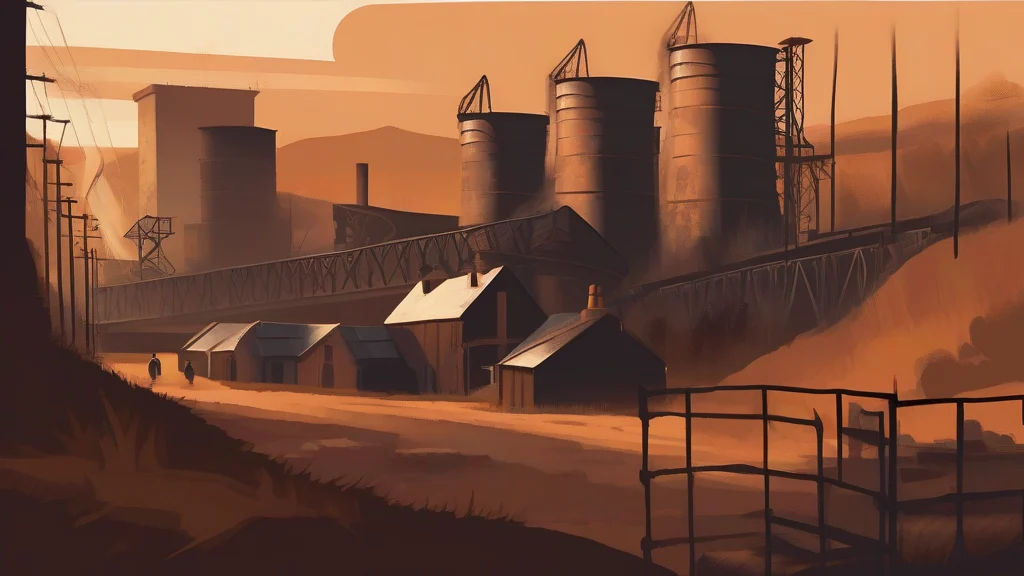
A colliery is a coal mine, together with all the buildings, shafts, machinery, and surface installations that belong to it. The term is chiefly British and is strongly tied to the history of coal mining in regions such as South Wales, Yorkshire, Durham, and central Scotland, where entire communities grew up around a single pit. In such places the colliery was more than an industrial site: it shaped local identity, housing, and livelihoods, which is why 'colliery village' became a familiar phrase. The word is most at home in historical, industrial, and social contexts — accounts of the miners' strikes of the 1970s and 1980s, heritage museums housed in former pits, or discussions of Britain's energy past. Although many collieries have closed since the industry's decline, the word remains current in journalism, history writing, and everyday speech in former mining areas. American readers will more often encounter 'coal mine' for the same thing, but 'colliery' retains a distinctive, evocative force that plain 'mine' lacks.
nounA coal mine and its associated buildings and workings, especially in Britain.
- A coal mine together with its surface buildings, machinery, and surrounding works.
- (Historically) the business or site of mining coal.
"The colliery closed in 1985, leaving the whole village without work."
"The National Coal Board opened the colliery in 1952 to meet postwar energy demand."
"Tourists can now descend the old shaft at the preserved colliery museum in Wales."
Standard regular plural.
"Dozens of collieries across South Wales were closed during the 1980s."
Whole towns in northern England were literally built around a single word — the colliery — and when the pits closed, those villages lost their reason for existing overnight.
Reviewed by Deb Chak, Editor. AI-assisted content curated by RJS Tech Solutions LLP.
Etymology of colliery
The word derives from 'collier', meaning a coal miner or dealer in coal, itself formed from 'coal' with the agent suffix '-er'; the '-y' ending denotes a place associated with the activity. It emerged in English during the seventeenth century as coal mining expanded in Britain. Its closest relatives are 'collier' and 'coal' itself, from Old English 'col', making it one of the few common English words whose roots lie entirely within Germanic rather than Latinate vocabulary.
Related word forms
How colliery is actually used
Chiefly British usage; American English typically says 'coal mine'. The word carries strong industrial and social-historical connotations, often evoking the mining communities of Wales, northern England, and Scotland, particularly in discussions of the mine closures of the 1980s.
Easily confused with colliery
A collie is a breed of herding dog, whereas a colliery is a coal mine.