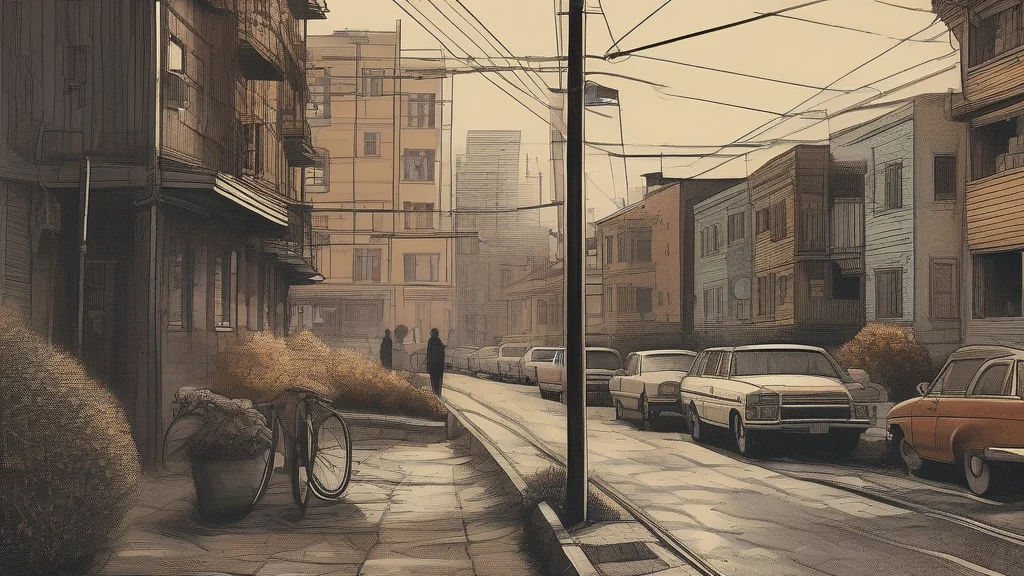
What does colorized mean?
"Colorized" is the past tense and past participle of the verb "colorize," meaning to add color to material originally produced in black and white, most often film or photography. The process may be done painstakingly by hand, with artists applying tints to each element of an image, or increasingly through digital tools and artificial intelligence trained on millions of reference images. The word rose to prominence during the 1980s, when American broadcasters began airing colorized versions of Hollywood classics, provoking heated debate among critics who felt the practice disrespected the original filmmakers' artistic intent. Today the term appears frequently in discussions of archival restoration, historical photography, and machine-learning image processing. While generally neutral in tone, it can carry a slightly negative connotation among cinephiles. The word derives from "color" (or "colour"), ultimately from Latin "color."
verb (past simple and past participle)Past tense and past participle of 'colorize': to add color to black-and-white film, photographs, or other monochrome imagery, whether by hand-tinting or digital processing.
- To have added color to black-and-white film or photography, especially via digital restoration.
- (By extension) to have given vividness or colorfulness to something figuratively dull.
"The studio released a digitally restored version of the 1930s classic, carefully colorized frame by frame."
"Ted Turner's network famously broadcast old Westerns that had been colorized, drawing protests from film purists."
"Archivists colorized the century-old photographs so modern viewers could connect more easily with the past."
The first feature-length colorized film sparked such fierce debate in the 1980s that Hollywood legend Jimmy Stewart publicly called the practice 'immoral' — yet today AI can do it in seconds.
Reviewed by Deb Chak, Editor. AI-assisted content curated by RJS Tech Solutions LLP.
Etymology of colorized
"Colorize" was formed from "color" plus the suffix "-ize" (Greek-derived, meaning "to make or render"), first appearing in English in the late 19th century as a term for hand-tinting photographs and lantern slides. It gained widespread currency in the 1980s with the commercial colorization of feature films. The root "color" traces back through Old French "colour" to Latin "color" (hue, appearance), making the word a relative of "colorful," "discolor," and "coloration."
Related word forms
How colorized is actually used
Mostly neutral-to-technical register, common in media, archiving, and AI contexts. Among film historians it carries a mildly negative connotation due to the 1980s controversy over colorizing classic black-and-white films without directors' consent. British spelling is 'colourised'.
Easily confused with colorized
'Colonized' refers to establishing political control over foreign territory, while 'colorized' means adding color to black-and-white images — they differ by one letter but are unrelated in meaning.