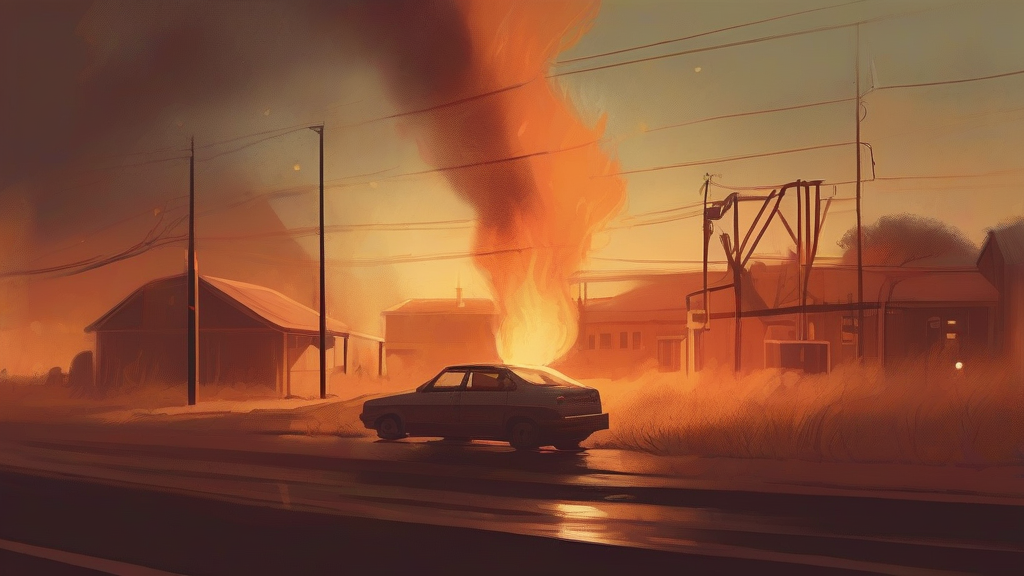
What does combustion mean?
Combustion is the chemical process commonly known as burning: a rapid reaction in which a substance combines with oxygen, releasing energy as heat and usually light. It is central to both nature and technology — wildfires, candle flames, and the explosions inside an engine cylinder are all examples. Chemists distinguish complete combustion, which converts fuel fully into carbon dioxide and water, from incomplete combustion, which produces toxic carbon monoxide and soot when oxygen is limited. The word appears constantly in scientific, environmental, and everyday contexts, most famously in "internal combustion engine," the technology that powered the automotive age. Though precise in its scientific sense, combustion also carries vivid figurative force, evoking sudden flare-ups of anger or violence. Derived from Latin roots meaning "to burn up," it is closely related to words like combustible and combust. Understanding combustion is essential to discussions of fire safety, energy production, and climate change.
nounThe process of burning, in which a substance combines rapidly with oxygen and releases heat and light. More broadly, any violent chemical change or turmoil, though this figurative sense is rare today.
- Rapid chemical combination of a substance with oxygen, producing heat and light — burning.
- Figurative use: violent agitation or turmoil (rare, chiefly historical or literary).
"The internal combustion engine transformed transportation in the twentieth century."
"Combustion of fossil fuels releases carbon dioxide into the atmosphere."
"Firefighters determined that the blaze began with the spontaneous combustion of oily rags left in a corner."
Rarely pluralized; the word is normally treated as an uncountable process. A plural would appear only in highly technical contexts referring to distinct instances of burning.
"Multiple combustion events occur within each engine cycle."
Spontaneous combustion was so feared in Victorian times that Charles Dickens used it to kill off a villain in Bleak House — and readers of his day accepted it as scientific fact.
Reviewed by Deb Chak, Editor. AI-assisted content curated by RJS Tech Solutions LLP.
Etymology of combustion
Combustion comes from the Latin verb comburere, meaning "to burn up completely," formed from com- (an intensifying prefix) plus a root related to urere, "to burn." The word entered English in the early seventeenth century, likely via French or directly from Late Latin forms. Its relatives include combustible, combustive, and the rarer verb combust, all sharing the same Latin root and the core idea of burning.
Related word forms
How combustion is actually used
A technical term common in chemistry, engineering, and fire science, but familiar enough from phrases like "internal combustion engine" that it appears regularly in general writing. In chemistry, it is often qualified as "complete" (full conversion to carbon dioxide and water) or "incomplete" (producing carbon monoxide and soot).
Easily confused with combustion
Consumption means the act of using up or eating something (and historically, the disease tuberculosis), whereas combustion specifically refers to burning or rapid oxidation with heat and light.