What does compressor mean?
A compressor is a device — mechanical, electromechanical, or electronic — whose essential function is to squeeze something into less space. In its most familiar sense, a compressor is a machine that takes in gas or air and delivers it at higher pressure by reducing its volume; this is the principle behind refrigerators, air conditioners, pneumatic tools, and jet engines, making the compressor one of the unacknowledged workhorses of modern life. In audio engineering, a compressor is a device or software process that reduces the dynamic range of a signal, quietening loud peaks so recordings sound smoother and more consistent. The word derives from Latin comprimere, 'to press together', via compress and the agent suffix -or, literally meaning 'that which presses together'. Whether in a machine shop or a recording studio, the compressor embodies the same idea: controlled pressure applied to produce useful results.
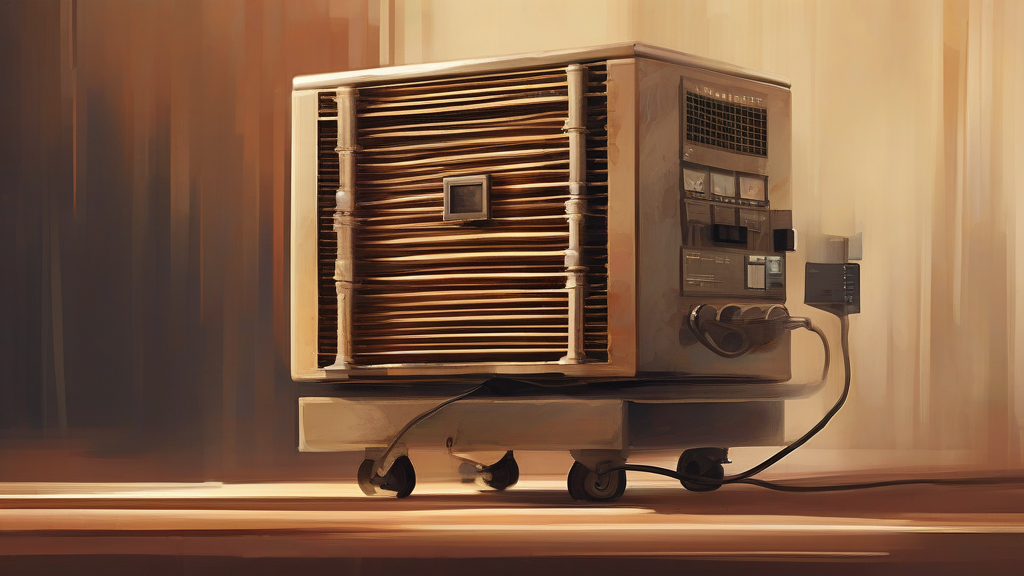
A machine or device that reduces the volume of a gas or air and increases its pressure, used in refrigeration, air conditioning, and pneumatic systems.
"The refrigerator stopped cooling because the compressor had burned out."
This is the dominant sense in everyday and technical usage.
An electronic device, circuit, or software process that reduces the dynamic range of an audio signal.
"She inserted a compressor on the drum bus to tighten up the mix."
Common primarily in music production, broadcasting, and live sound contexts.
Standard regular plural; used when referring to multiple units or instances of the device.
"The factory installed three new industrial compressors last year."
The humble compressor sits at the heart of your fridge, your air conditioner, and virtually every recorded song you've ever heard — quietly squeezing the world into shape.
Reviewed by Deb Chak, Editor. AI-assisted content curated by RJS Tech Solutions LLP.
Etymology of compressor
Compressor comes from the Latin verb comprimere, meaning 'to press together' or 'to compress', formed from com- ('together') and premere ('to press'). English first adopted 'compress' as a verb in the late Middle English period, with 'compressor' emerging later as an agent noun for something that presses together. The word entered technical use as machinery developed in the industrial era, and its application to audio equipment arose in the twentieth century with radio and recording technology. It shares its root with related words such as 'compression' and 'depress', all tracing back to the Latin premere.
How compressor is actually used
In technical and engineering contexts, 'compressor' is a precise term for machinery; in music production and broadcasting, it refers specifically to dynamic-range reduction equipment. The word is standard in both British and American English with no regional variation in meaning.
Easily confused with compressor
A compressor is the device that performs compression, while compression is the act or process of reducing volume or size.