What does concealer mean?
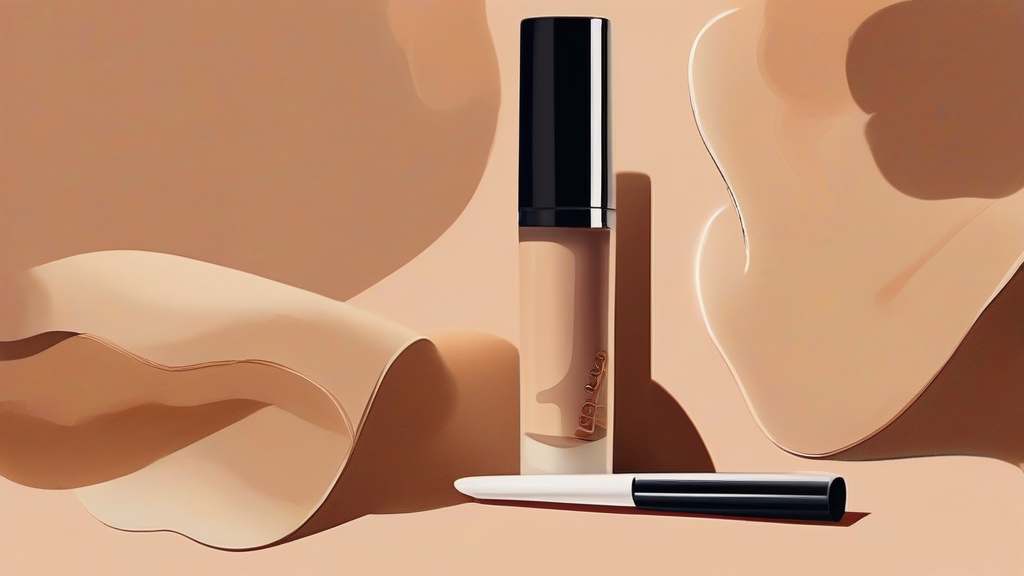
A concealer is a cosmetic product designed to hide imperfections on the skin, most commonly dark circles beneath the eyes, spots, blemishes, and areas of uneven tone. Typically thicker and more pigmented than foundation, concealers come in cream, liquid, and stick formulations and are applied with fingers, brushes, or sponges, then blended into the surrounding skin for a seamless finish. The word is almost exclusively associated with makeup in contemporary usage, though it can technically describe anyone or anything that hides something. Derived from the verb 'to conceal', which traces back through Old French 'conceler' to the Latin 'concēlāre' (from 'cēlāre', meaning to hide), it carries connotations of subtlety and discretion rather than deception. In beauty culture, choosing the right shade and texture of concealer is considered a foundational skill, and terms like 'under-eye concealer' and 'full-coverage concealer' are firmly established in everyday language. Its usefulness lies precisely in its specificity: few other words capture this particular cosmetic purpose so directly.
nounA cosmetic product, typically a cream or liquid applied to the skin, used to hide blemishes, dark circles under the eyes, and other imperfections. More broadly, a person or thing that conceals something.
- A cosmetic product applied to the skin to hide imperfections such as dark circles, blemishes, or redness.
- A person or thing that hides or keeps something secret (less common, more literal use).
"She dabbed a little concealer under her eyes before heading out the door."
"She dabbed a little concealer under her eyes to mask the dark circles from a sleepless night."
"He proved an adept concealer of his true feelings, never letting on what he really thought."
Regular plural formation. Commonly used when comparing different shades, brands, or formulations of the cosmetic product.
"Her makeup drawer was full of concealers in every shade she'd ever tested."
The same Latin root that gives us 'concealer' — 'celare', to hide — also gave us 'cellar', the hidden room beneath your house.
Reviewed by Deb Chak, Editor. AI-assisted content curated by RJS Tech Solutions LLP.
Etymology of concealer
The word concealer is formed from the verb 'conceal' plus the agentive suffix '-er'. 'Conceal' entered English via Old French 'conceler', itself derived from the Latin verb 'concēlāre', a compound of 'con-' (an intensive prefix) and 'cēlāre' (to hide). The root 'cēlāre' comes from the Proto-Indo-European *kel-, meaning to hide or cover, which also yields English words like 'cellar', 'hell' (in its original sense of a covered place), and 'apocalypse' (literally an uncovering). As a cosmetics term, 'concealer' gained widespread currency in the twentieth century as commercial makeup products proliferated, though the agentive noun had existed earlier for anything that hides.
Related word forms
How concealer is actually used
'Concealer' is overwhelmingly used today as a cosmetics term, particularly for products targeting the under-eye area. The broader sense of 'one who conceals' is grammatically valid but rare in modern usage; it appears more often in literary or descriptive contexts than everyday speech.
Easily confused with concealer
A consoler is someone who comforts another in grief or distress, whereas a concealer is either a cosmetic product or something that hides.