
What does masker mean?
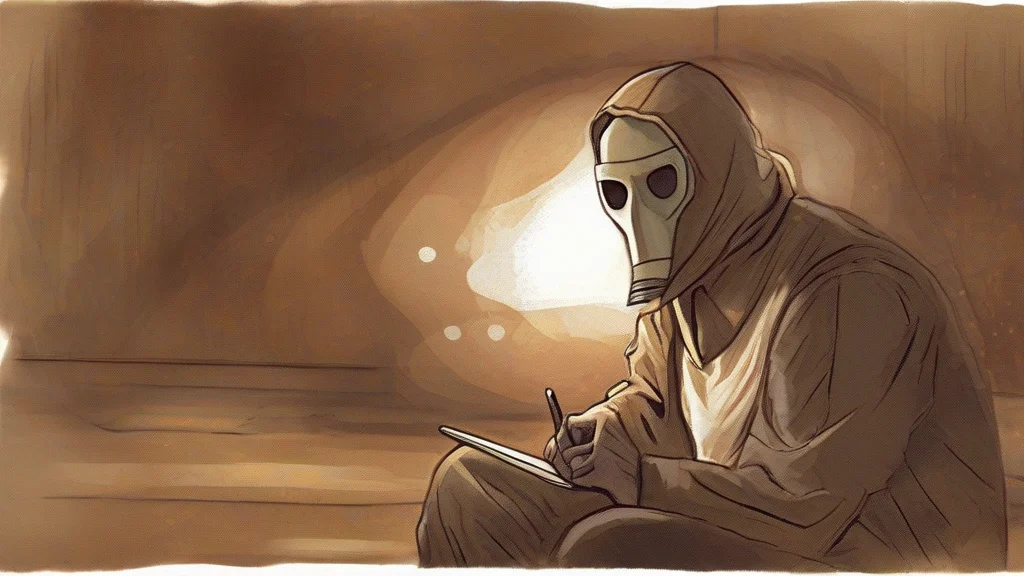
Masker is a noun denoting a person who wears a mask, most often in a masquerade, masked ball, or stage performance. The word can also be used figuratively for someone who conceals identity, motives, or intentions behind a persona, although that extension is less firmly established than the literal sense. In current English, masquerader is often the more familiar word for a participant in a costume event, while masker can suggest the act of wearing the mask itself and may carry a theatrical or slightly old-fashioned tone. Its usefulness lies in bringing together literal disguise and symbolic concealment: the person is not merely hidden but visibly presented through an altered face. Masker also has an interesting history. It belongs to a family of English and French words associated with masked entertainment, and the ultimate source of mask is an Arabic term for a buffoon or jester. Thus a simple English noun preserves a long tradition of play, performance, and deception.
nounA person who wears a mask, especially as a participant in a masquerade, masked ball, or theatrical performance. Figuratively, it can denote someone who conceals their identity or true intentions behind a disguise or persona.
- A person who wears a mask, especially in a masquerade, masked ball, or theatrical performance.
- A person who conceals their identity, motives, or intentions behind a disguise or persona.
"The masquerade began with the entrance of the richly costumed maskers."
"The court’s attendants entered as silver-faced maskers, each carrying a painted lantern."
"Festival marshals asked each masker to keep the decorative mask visible while moving through the crowd."
The standard plural is maskers, used for multiple people wearing masks or participating in a masquerade.
"The maskers gathered in the courtyard before the performance began."
The word’s deeper ancestry points to an Arabic term for a buffoon or jester—a reminder that masking has long involved performance as well as concealment.
Reviewed by Deb Chak, Editor. AI-assisted content curated by RJS Tech Solutions LLP.
Where does masker come from?
Masker is an English agent noun formed from mask with the suffix -er. Mask entered English through French masque, from Italian maschera, ultimately from the Arabic maskhar, meaning a buffoon or jester. The related forms masque, masquerade, and masquerader preserve the same historical association with theatrical disguise and concealed identity.
How masker is actually used
The noun is chiefly literary, theatrical, or festive rather than a general label for someone wearing a face covering. It can sound slightly old-fashioned in contemporary English, while figurative use tends to suggest deliberate concealment and an assumed persona.
Easily confused with masker
A masker is anyone wearing a mask, whereas a masquerader is specifically someone taking part in a masquerade or using disguise to conceal identity.