
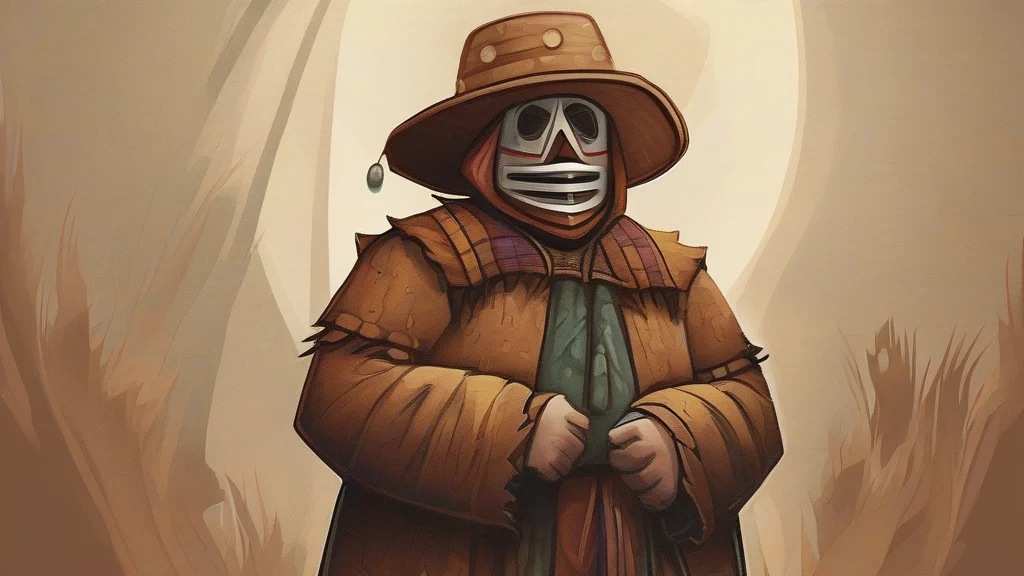
What does mummer mean?
A mummer is a performer who appears in disguise, especially in the traditional English and Irish folk plays known as mumming plays. Such performers commonly wore masks, altered clothing, and other devices to conceal their identities, often taking comic or symbolic roles. Mumming traditions became particularly associated with seasonal entertainments around Christmas, New Year, and Twelfth Night, when groups of performers went from house to house or presented plays in public places. The term is now largely historical or literary, though it remains relevant in discussions of folk drama, carnival customs, and ritualized seasonal celebration. Its connection with concealment gives the word a memorable atmosphere of anonymity, spectacle, and communal revelry. Although mumming survives in specialized cultural contexts, the once widespread practice has declined as mummers’ plays have become less common outside festivals, museums, folklore events, and occasional community revivals.
nounA person who performs in a mumming play, traditionally wearing a disguise or mask. The term can also refer more generally to a masquerading actor or reveler.
- A person who takes part in a traditional mumming play, usually in a mask or disguise.
- A masked or disguised actor or reveler, especially in a historical or folk context.
"The mummers appeared at the village hall in masks and ragged costumes, entertaining the crowd with a comic play."
"The children dressed as mummers and went from house to house asking for treats."
"The play's mummers concealed their identities beneath masks and brightly colored costumes."
The usual plural is mummers, as in “mummers’ play” and “a group of mummers.” The possessive form for the plural is mummers’.
"The mummers performed their play in the market square."
Once a familiar part of winter festivities, mummers are remembered for stepping into the Christmas season behind masks, disguising their identities and turning ordinary streets into stages.
Reviewed by Deb Chak, Editor. AI-assisted content curated by RJS Tech Solutions LLP.
Etymology of mummer
The word entered Middle English from Anglo-French as a term for a masked or disguised entertainer. It developed from Old French mommeur, associated with momer, meaning “to mask,” although the ultimate origin of that verb is uncertain. Modern derivatives include mumming and mummery, which preserve the word’s associations with masks, plays, and seasonal festivities.
Related word forms
How mummer is actually used
The word is now chiefly historical, literary, or folkloric. It has a strongly traditional association with seasonal plays, public processions, disguise, and communal entertainment.
Easily confused with mummer
A mummer is a masked or disguised performer, whereas a mummy is a preserved human body or, in informal use, a mother.
A mummer is the performer, while mummery is the traditional performance or the practice of mumming.