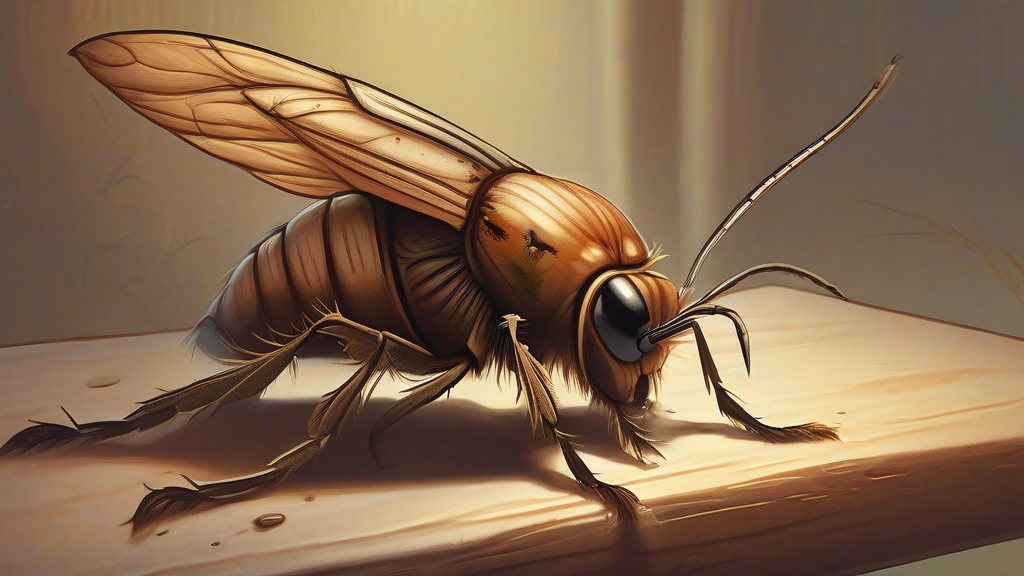
What does cornborer mean?
A cornborer is the larva of certain moths — most notoriously the European corn borer, Ostrinia nubilalis — that drills into the stalks, ears, and tassels of corn plants, feeding from within and leaving tunnels that weaken stems, reduce yields, and admit disease. The name combines 'corn', the crop it attacks, with 'borer', describing its habit of boring into plant tissue. Though applied chiefly to the damaging larval stage, the term is sometimes extended to the adult moth itself. Cornborers are among the most economically significant maize pests worldwide: introduced to North America around the early twentieth century, they spurred major efforts in pest management, including biological controls and Bt corn engineered specifically for resistance. The word belongs mainly to agricultural, entomological, and gardening vocabulary rather than everyday conversation.
nounAny of various moth larvae that tunnel into and feed on the stalks and ears of corn, especially the European corn borer (Ostrinia nubilalis); also the adult moth itself.
- The larva of any of several moths that bores into corn stalks and ears, causing significant crop damage.
- The adult moth of such a species, by extension.
"The farmer scouted his fields in June, knowing that even a modest cornborer population could slash yields by season's end."
"Bt corn was developed largely to resist the cornborer, whose tunnelling weakens stalks until they snap."
"Extension agents urged growers to destroy crop residue where cornborer larvae overwinter."
Standard plural; frequently used when discussing infestations or populations across a field.
"Heavy rains reduced cornborer populations across much of the Corn Belt that summer."
The European cornborer reached North America around 1917 in broomcorn imported from Hungary — and has cost farmers billions ever since.
Reviewed by Deb Chak, Editor. AI-assisted content curated by RJS Tech Solutions LLP.
Etymology of cornborer
The compound 'cornborer' joins 'corn' — from Old English via Latin 'grain' — with 'borer', an agent noun from the verb 'bore', meaning to drill or pierce a hole. 'Bore' traces back through Middle English to Old English 'borian', ultimately from the Indo-European root shared with Latin 'forare' ('to pierce'), which also gives us 'perforate'. The entomological compound arose as agricultural terminology once the pest's tunnelling behaviour became well known, particularly after the European corn borer spread through Europe and, in the early twentieth century, into North America.
How cornborer is actually used
Primarily an agricultural and entomological term; usually plural or used with a specific species name in technical contexts. The most frequently referenced species is the European corn borer (Ostrinia nubilalis).
Easily confused with cornborer
A cutworm is a caterpillar that severs young plants at the soil line, whereas a cornborer tunnels inside the stalks and ears of growing corn.