What does cottonmouth mean?
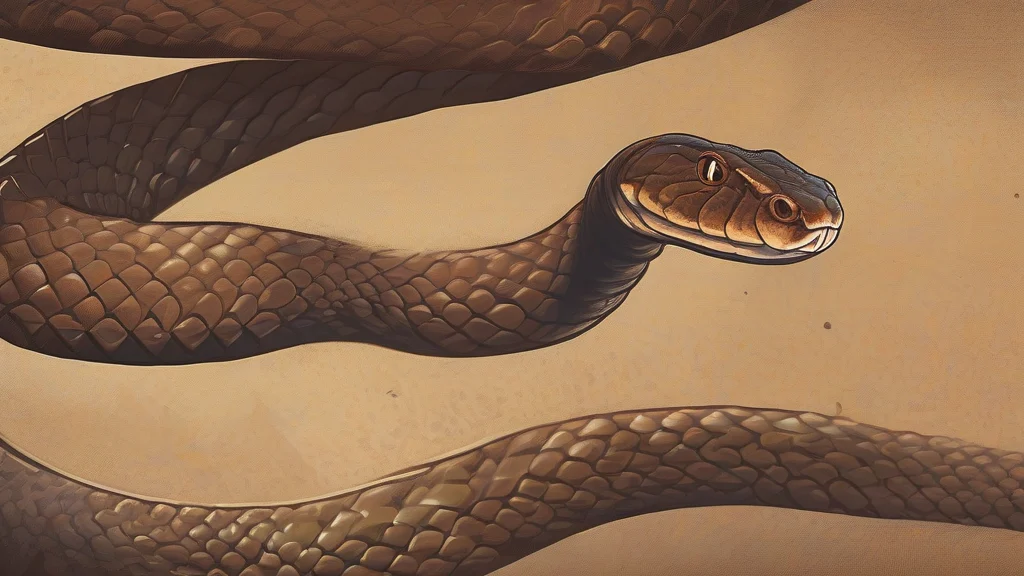
A cottonmouth is a venomous semiaquatic snake native to the southeastern United States, formally known as Agkistrodon piscivorus and more commonly called the water moccasin. A heavy-bodied pit viper, it inhabits swamps, marshes, slow-moving streams, and the margins of lakes, where it feeds on fish, amphibians, and small mammals. Its common name comes from its defensive behavior: when threatened, it opens its jaws wide to reveal a strikingly pale, cotton-white interior, a warning display before striking. The word also carries a second, informal sense in American English, describing the dryness of the mouth brought on by fear, stage fright, dehydration, or certain medications. Because harmless water snakes closely resemble cottonmouths, the species is frequently misidentified, which makes accurate recognition genuinely useful for anyone outdoors in its range.
A large venomous semiaquatic pit viper (Agkistrodon piscivorus) of the southeastern United States, also called the water moccasin, known for the white interior of its open mouth.
"A cottonmouth slipped off the bank and into the black water of the swamp."
'Water moccasin' is a fully interchangeable common name, especially in the southern U.S.
Informal: a dryness of the mouth caused by fear, anxiety, dehydration, or certain substances.
"Her cottonmouth made it hard to answer the interviewer's first question."
This sense is informal and primarily American.
Regular plural; used for both the snake and the dry-mouth condition.
"The wetland boardwalk posts signs warning visitors that cottonmouths are common in summer."
When threatened, a cottonmouth gapes its jaws to flash a startlingly white, cotton-like mouth — the warning display that gave the snake its name.
Reviewed by Deb Chak, Editor. AI-assisted content curated by RJS Tech Solutions LLP.
Etymology of cottonmouth
The word is a straightforward English compound of 'cotton' and 'mouth', coined in American English in reference to the snake's habit of gaping to reveal its whitish mouth lining. It has been applied to Agkistrodon piscivorus since at least the 19th century, alongside the older regional name 'water moccasin'. The same transparent compound structure later produced the informal dry-mouth sense, by analogy with the parched, cotton-like feel of a dry mouth.
Related word forms
How cottonmouth is actually used
The snake sense dominates and is standard American English, especially in the southeastern U.S.; 'water moccasin' is an equally common regional alternative name. The dry-mouth sense is informal and less common, appearing chiefly in American usage.
Easily confused with cottonmouth
The copperhead (Agkistrodon contortrix) is a related but different venomous snake with coppery coloring, found in drier habitats, whereas the cottonmouth is semiaquatic and shows a white mouth lining.
The harmless northern water snake is often mistaken for the venomous cottonmouth, but it lacks the pit-viper's elliptical pupils and the white mouth interior.