What does crackling mean?
Crackling has two main senses in English. As an uncountable noun describing sound, it refers to a series of small, sharp snaps or pops — the crackling of a log fire, of radio static, or of dry leaves underfoot — and it carries cozy or atmospheric connotations. As a culinary term, especially in British English, crackling denotes the crisp, golden-brown skin that forms when pork is roasted at high heat; it is widely considered one of the great pleasures of a traditional roast and is often fought over at the table. In American contexts, similar crispy pig skin is more likely to be called pork rind or chicharrón, though crackling is understood. The word derives from crackle, itself a frequentative form of crack, aptly capturing both the sound and the brittle texture it describes.
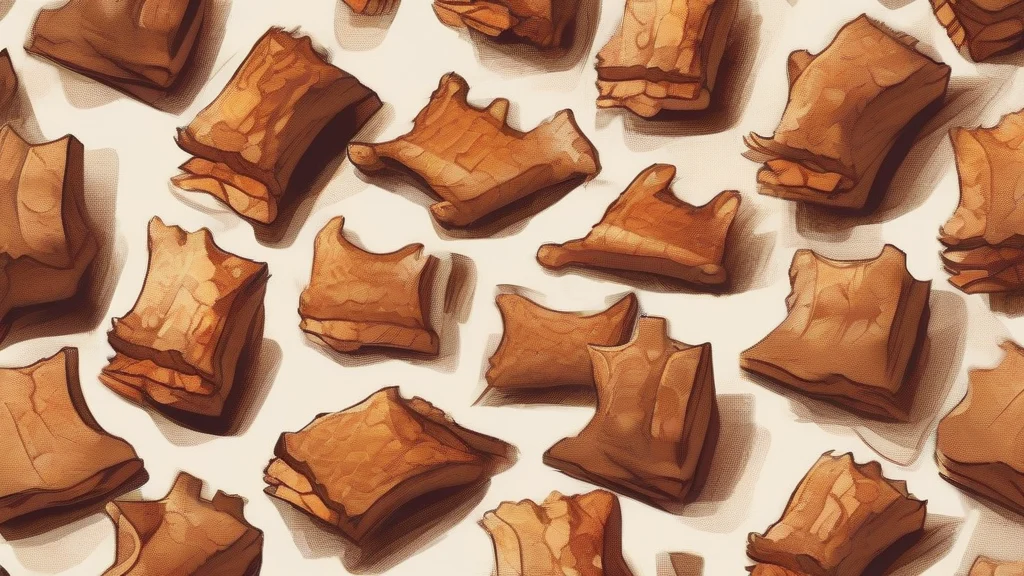
The crisp, browned skin of roasted pork, prized as a delicacy.
"She saved the best piece of crackling for her father."
Chiefly British English; Americans typically say pork rinds.
A series of small, sharp cracking or popping sounds.
"They sat listening to the crackling of the fire."
The plural form exists mainly in American English, referring to pieces of crispy fried pork skin or fat (as in pork cracklings); in British usage the food sense is usually treated as uncountable.
"The Southern dish came topped with crunchy pork cracklings."
In Britain, crackling isn't just a sound — it's the most fiercely contested part of the Sunday roast.
Reviewed by Deb Chak, Editor. AI-assisted content curated by RJS Tech Solutions LLP.
Etymology of crackling
Crackling comes from the verb crackle, which emerged in English around the early seventeenth century as a frequentative form of crack — a verb imitative in origin, echoing the sharp sound it names. The suffix -ing turns it into a noun denoting either the sound itself or, by extension from the texture of crisping fat, the roasted pork skin. Related forms include cracker, crackleware, and crackled glass.
Related word forms
How crackling is actually used
As a food term, crackling is especially common in British English, where it is prized as a delicacy; American English more often uses "pork rind" or "chicharrón" for similar foods. The auditory sense is uncountable and often used with "of": the crackling of a fire.
Easily confused with crackling
Gristle is tough cartilage in meat, whereas crackling is the crispy cooked skin of pork.