What does cradled mean?
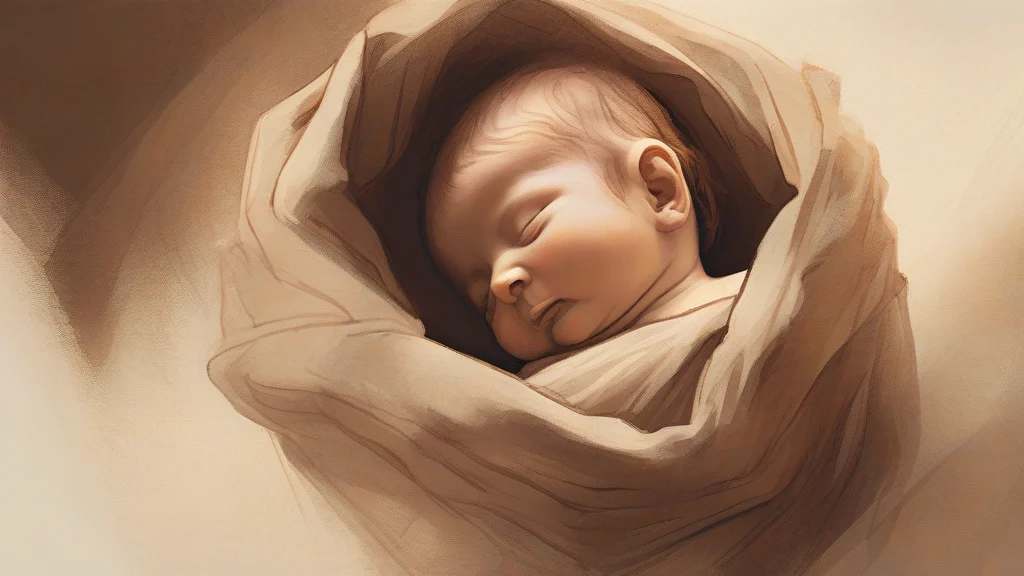
"Cradled" is the past tense and past participle of the verb "cradle," meaning to hold a person or thing gently and securely in the arms, much as a baby rests in a cradle. The word evokes tenderness, care, and protection, which makes it a favorite in both everyday speech and literary description: a parent may have cradled a crying child, a mourner may have cradled a photograph, or a hiker may have cradled a injured bird on the walk home. Beyond physical holding, "cradled" has a well-established figurative use, describing things supported or sheltered by their surroundings — a village cradled in a mountain valley, for instance. Derived from the Old English noun "cradol," the verb has carried this protective imagery into modern English. Whether literal or figurative, using "cradled" signals gentleness and watchful care rather than mere grasping or carrying.
verb"Cradled" is the past tense and past participle of "cradle": to hold something or someone gently and protectively in one's arms, as a baby is held in a cradle.
- To hold someone or something gently and protectively in the arms, especially as one holds an infant.
- (Figurative) To support or shelter something carefully within a surrounding space or framework.
"She cradled the sleeping infant against her shoulder, humming softly."
"He cradled his newborn daughter in the crook of his arm."
"The valley was cradled between two steep mountain ridges."
The word "cradle" is over a thousand years old, appearing in Old English as "cradol" — yet its origin before that remains a mystery to linguists.
Reviewed by Deb Chak, Editor. AI-assisted content curated by RJS Tech Solutions LLP.
Etymology of cradled
The verb "cradle" derives from the Old English noun "cradol" (also spelled "cradel"), meaning a basket or bed for an infant. The ultimate origin of "cradol" is uncertain, though it may be related to Germanic or Celtic words for basket-like vessels. By Middle English the noun was firmly established, and the derived verb meaning to hold protectively developed from it, giving us "cradled" in its modern sense.
Related word forms
How cradled is actually used
"Cradled" carries warm, tender connotations and appears frequently in literary and descriptive writing. Its figurative sense — describing landscapes, objects, or ideas held safely by their surroundings — is common in nature writing and journalism. It is neutral register, suitable for both formal and informal contexts.
Easily confused with cradled
To cuddle is to sit or lie close and snuggle affectionately, whereas "cradled" specifically describes holding something protectively in the arms, often with rocking.